“O poeta é o sacerdote do invisível.”
The poet is the priest of the invisible
Opus Posthumous: Poems, Plays, Prose - Página 169, de Wallace Stevens, Samuel French Morse - Publicado por Knopf, 1957 - 300 páginas
Wallace Stevens foi um poeta modernista norte-americano. Educado em Harvard e depois na New York Law School, trabalhou em uma companhia de seguros em Connecticut na maior parte de sua vida.
Seus poemas mais conhecidos incluem "Anedota de um jarro", "Desilusão das dez horas", "O Imperador do Sorvete", "A Ideia de Ordem em Key West", "Manhã de Domingo" e "Treze maneiras de olhar para um melro".
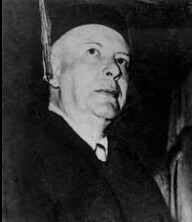
“O poeta é o sacerdote do invisível.”
The poet is the priest of the invisible
Opus Posthumous: Poems, Plays, Prose - Página 169, de Wallace Stevens, Samuel French Morse - Publicado por Knopf, 1957 - 300 páginas
“O poema deve resistir à inteligência / Quase com sucesso.”
The poem must resist the intelligence / Almost successfully
The palm at the end of the mind: selected poems and a play - Página 281, de Wallace Stevens - Publicado por Knopf, 1971 - 404 páginas
Wallace Stevens livro The Auroras of Autumn
"An Ordinary Evening in New Haven"
The Auroras of Autumn (1950)
“The death of one god is the death of all.”
Notes Toward a Supreme Fiction (1942), It Must Be Abstract
“He tries by a peculiar speech to speak The peculiar potency of the general”
Notes Toward a Supreme Fiction (1942), It Must Change
“The President ordains the bee to be
Immortal. The President ordains.”
Notes Toward a Supreme Fiction (1942), It Must Change
Notes Toward a Supreme Fiction (1942), It Must Give Pleasure
Letter to his future wife, Elsie Moll Kachel (23 April 1916) as published in Letters of Wallace Stevens (1966) edited by Holly Stevens, No. 202
“Without a name and nothing to be desired,
If only imagined but imagined well.”
Notes Toward a Supreme Fiction (1942), It Must Be Abstract
Notes Toward a Supreme Fiction (1942), It Must Give Pleasure
“Poetry is a search for the inexplicable.”
Opus Posthumous (1955), Adagia
"Credences of Summer"
Collected Poems (1954)
"Final Soliloquy of the Interior Paramour"
Collected Poems (1954)
“A few things for themselves,
Florida, venereal soil,
Disclose to the lover.”
Wallace Stevens livro Harmonium
O Florida, Venereal Soil"
Harmonium (1923)
The Necessary Angel (1951), Imagination as Value
Notes Toward a Supreme Fiction (1942), It Must Give Pleasure
“The imagination is one of the forces of nature.”
Opus Posthumous (1955), Adagia
"Not Ideas About The Thing But The Thing Itself"
Collected Poems (1954)
Letter (10 January 1936); as published in Letters of Wallace Stevens (1966) edited by Holly Stevens, (No. 339)
“Exile desire
For what is not. This is the barrenness
Of the fertile thing that can attain no more.”
"Credences of Summer"
Collected Poems (1954)
Notes Toward a Supreme Fiction (1942), It Must Give Pleasure
Collected Poems (1954) "Final Soliloquy of the Interior Paramour"
“The thinking of art seems final when
The thinking of god is smoky dew.”
The Man With the Blue Guitar (1937)
Notes Toward a Supreme Fiction (1942), It Must Change
Notes Toward a Supreme Fiction (1942), It Must Be Abstract


