“O poeta é o sacerdote do invisível.”
The poet is the priest of the invisible
Opus Posthumous: Poems, Plays, Prose - Página 169, de Wallace Stevens, Samuel French Morse - Publicado por Knopf, 1957 - 300 páginas
Wallace Stevens foi um poeta modernista norte-americano. Educado em Harvard e depois na New York Law School, trabalhou em uma companhia de seguros em Connecticut na maior parte de sua vida.
Seus poemas mais conhecidos incluem "Anedota de um jarro", "Desilusão das dez horas", "O Imperador do Sorvete", "A Ideia de Ordem em Key West", "Manhã de Domingo" e "Treze maneiras de olhar para um melro".
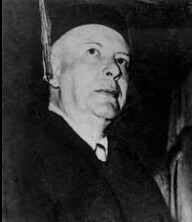
“O poeta é o sacerdote do invisível.”
The poet is the priest of the invisible
Opus Posthumous: Poems, Plays, Prose - Página 169, de Wallace Stevens, Samuel French Morse - Publicado por Knopf, 1957 - 300 páginas
“O poema deve resistir à inteligência / Quase com sucesso.”
The poem must resist the intelligence / Almost successfully
The palm at the end of the mind: selected poems and a play - Página 281, de Wallace Stevens - Publicado por Knopf, 1971 - 404 páginas
“Poetry is an effort of a dissatisfied man to find satisfaction through words.”
As quoted in Wallace Stevens and the Limits of Reading and Writing (2002) by by Bart Eeckhout Ch. 12 "Poeticizing Epistemology", p. 268
“She sang beyond the genius of the sea”
"The Idea of Order at Key West"
Ideas of Order (1936)
The Necessary Angel (1951), Imagination as Value
“Is it he or is it I that experience this?”
Notes Toward a Supreme Fiction (1942), It Must Give Pleasure
Fonte: Parts of a World (1942) "The Well Dressed Man With a Beard"
“The poet makes silk dresses out of worms.”
Opus Posthumous (1955), Adagia
"Less and Less Human, O Savage Spirit"
Transport to Summer (1947)
Notes Toward a Supreme Fiction (1942), It Must Be Abstract


