“Genialidade e maldade não combinam.”
гений и злодейство две вещи несовместные
citado em Пушкин и русский романтизм - Página 182, Борис Соломонович Мейлах - Издательство Академии наук СССР, 1937, 293 páginas
Alexander Sergueievitch Pushkin foi um romancista e poeta russo da era romântica que é considerado por muitos como o maior poeta russo e fundador da moderna literatura russa. Pushkin foi pioneiro no uso do discurso vernacular em seus poemas e peças teatrais, criando um estilo de narrativa que misturava drama, romance e sátira associada com a literatura russa, influenciando fortemente desde então os escritores russos seguintes. Ele também escreveu ficção histórica. Sua Marie: Uma História de Amor Russa fornece uma visão da Rússia durante o reinado de Catarina, a Grande.
Entre suas obras mais conhecidas encontram-se O prisioneiro do Cáucaso, Eugene Onegin, A história da revolta de Purgatief e O Cavaleiro de Bronze. Escreveu poemas, novelas e peças teatrais.
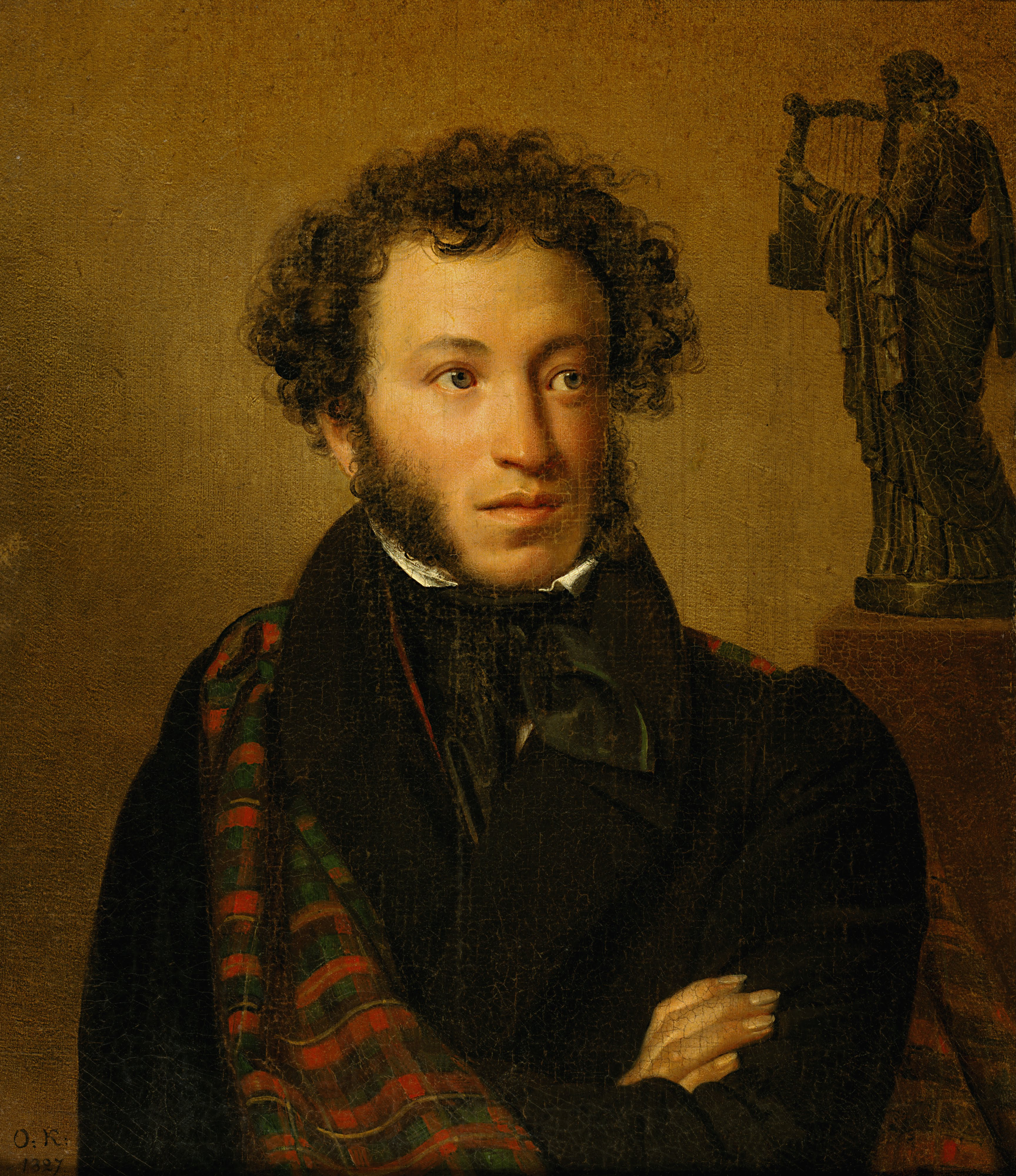
“Genialidade e maldade não combinam.”
гений и злодейство две вещи несовместные
citado em Пушкин и русский романтизм - Página 182, Борис Соломонович Мейлах - Издательство Академии наук СССР, 1937, 293 páginas
Variante: O respeito pelo passado - eis o traço que distingue a instrução da barbárie; as tribos nómadas não possuem nem história, nem nobreza.
“Nunca Encontrareis a poesia se não a tiverdes dentro de vós.”
Fonte: http://www.caras.uol.com.br - 5 de novembro de 2009 - EDIÇÃO 835 - Citações http://caras.uol.com.br/citacoes/edicoes/835/nunca-encontrareis-a-poesia-se-nao-a-tiverdes-dentro-de-vos/
“The illusion which exalts us is dearer to us than ten thousand truths.”
The Hero ll. 64-65, quoted in Gooseberries by Anton Chekhov
Aleksandr Pushkin livro Eugene Onegin
Fonte: Eugene Onegin (1823), Ch. 1, st. 25.
Found in Pushkin's. The Captain's Daughter and Other Stories. English edition by Random House LLC. 2013. p. 139
As quoted by Joseph Frank in Dostoevsky: A Writer in His Time (2009). Princeton University Press, p. 203.
Aleksandr Pushkin livro The Queen of Spades
"Three, seven, queen!"
VI.
The Queen of Spades (1833)
Aleksandr Pushkin The Bronze Horseman
The Bronze Horseman (1833).
Aleksandr Pushkin livro Eugene Onegin
Eugene Onegin (1823)
Original: (ru) Но так и быть — рукой пристрастной Прими собранье пестрых глав, Полусмешных, полупечальных, Простонародных, идеальных, Небрежный плод моих забав, Бессониц, легких вдохновений, Незрелых и увядших лет, Ума холодных наблюдений И сердца горестных замет.
Aleksandr Pushkin Boris Godunov
(Variant translation):
One more story, just one more,
And then my history's completed,
All my chronicles written down
And my sinner's debt repaid to God.
Not for nothing.
The Lord appointed me to bear witness
For many many years and it was he
Taught me the art of creating books.
One day, in the far future,
some hard-working monk
Will find my painstaking,
anonymous writings.
He'll light his lamp,
as I light mine,
He'lll shake the dust of centuries from these scrolls.
Then he'll copy out, carefully, these true accounts,
So the descendants of today's Christians
May know the past of their native land
Remember their mighty Tsars warmly
For their glory and their knidness
And our Lord's mercy on their sins and crimes.
In my old age I live my life anew.
Pushkin, Alexander (2012). Pushkin's Boris Gudunov. Oberon Books.
Boris Godunov (1825)
Aleksandr Pushkin livro Eugene Onegin
Fonte: Eugene Onegin (1823), Ch. 4, st. 1.
Aleksandr Pushkin livro Eugene Onegin
Fonte: Eugene Onegin (1823), Ch. 1, st. 5.
Aleksandr Pushkin The Prophet
English translation found in New Society, Volume 8, (1966). New Society Limited. p. 413.
Also quoted by Kahn, Andrew (2006). The Cambridge Companion to Pushkin. Cambridge University Press, p. 84.
The Prophet (1826)
Secular Power
as quoted in Pushkin, Alexander (2009). Selected Lyric Poetry. Northwestern University Press, p. 121.
Aleksandr Pushkin livro The Queen of Spades
V.
The Queen of Spades (1833)
Aleksandr Pushkin livro Eugene Onegin
Prologue, sec. 5, l. 18-28.
Eugene Onegin (1823)
“Always contented with his life,
and with his dinner, and his wife.”
Aleksandr Pushkin livro Eugene Onegin
Fonte: Eugene Onegin (1823), Ch. 1, st. 12.
“The clock of doom had struck as fated;
the poet, without a sound,
let fall his pistol on the ground.”
Aleksandr Pushkin livro Eugene Onegin
Fonte: Eugene Onegin (1823), Ch. 6, st. 30.
Aleksandr Pushkin Boris Godunov
Boris Godunov (1825)
Pushkin, 19 October 1827.
as quoted in Pushkin, Alexander (2009). Selected Lyric Poetry. Northwestern University Press, p. 121.
Aleksandr Pushkin livro Eugene Onegin
Что наши лучшие желанья,
Что наши свежие мечтанья
Истлели быстрой чередой,
Как листья осенью гнилой.
Fonte: Eugene Onegin (1823), Ch. 8, st. 11.
Aleksandr Pushkin livro Eugene Onegin
Fonte: Eugene Onegin (1823), Ch. 1, st. 38.
Aleksandr Pushkin livro Eugene Onegin
Fonte: Eugene Onegin (1823), Ch. 1, st. 59.
Remembrance.
Aleksandr Pushkin livro Eugene Onegin
Fonte: Eugene Onegin (1823), Ch. 3, st. 28. (Translated by Walter Arndt in Eugene Onegin (2009). Penguin.
Aleksandr Pushkin livro The Queen of Spades
VI.
The Queen of Spades (1833)
A Prayer
as quoted in Pushkin, Alexander (2009). Selected Lyric Poetry. Northwestern University Press, p. 199.
“Habit is Heaven's own redress:
it takes the place of happiness.”
Aleksandr Pushkin livro Eugene Onegin
Fonte: Eugene Onegin (1823), Ch. 2, st. 31.
Aleksandr Pushkin livro Eugene Onegin
Original: (ru) Москва… как много в этом звуке Для сердца русского слилось! Как много в нем отозвалось!
Fonte: Eugene Onegin (1823), Ch. 7, st. 36.


