“Um homem pode muito bem levar um cavalo até a água, mas ele não pode obrigá-lo a bebê-la.”
A man may well bring a horse to water, But he cannot make him drink without he will.
Proverbs (1546); Pt. II, ch. 1
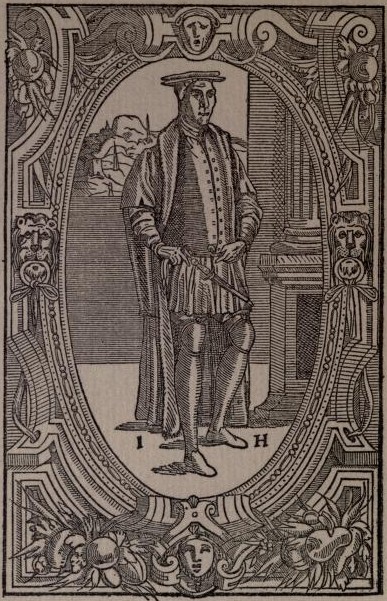
John Heywood foi um escritor inglês, poeta, dramaturgo e colecionador de provérbios. Nascido em Londres, refugiou-se no continente europeu para evitar a perseguição contra a sua fé católica. Teria morrido na Bélgica; o seu filho, Jasper Heywood, notabilizou-se como poeta e tradutor.

“Um homem pode muito bem levar um cavalo até a água, mas ele não pode obrigá-lo a bebê-la.”
A man may well bring a horse to water, But he cannot make him drink without he will.
Proverbs (1546); Pt. II, ch. 1
Part II, chapter 2.
Proverbs (1546), Bartlett's Familiar Quotations, 10th ed. (1919)
Part I, chapter 2.
Proverbs (1546)
Part II, chapter 5.
Proverbs (1546), Bartlett's Familiar Quotations, 10th ed. (1919)
Part I, chapter 4.
Proverbs (1546), Bartlett's Familiar Quotations, 10th ed. (1919)
Part I, chapter 10.
Proverbs (1546), Bartlett's Familiar Quotations, 10th ed. (1919)
Part I, chapter 3.
Proverbs (1546)
Part I, chapter 11.
Proverbs (1546), Bartlett's Familiar Quotations, 10th ed. (1919)
Part I, chapter 8.
Proverbs (1546), Bartlett's Familiar Quotations, 10th ed. (1919)
Part I, chapter 11.
Proverbs (1546), Bartlett's Familiar Quotations, 10th ed. (1919)
Part II, chapter 5.
Proverbs (1546), Bartlett's Familiar Quotations, 10th ed. (1919)
“Love me litle, love me long.”
Part II, chapter 2.
Proverbs (1546), Bartlett's Familiar Quotations, 10th ed. (1919)
“This hitteth the nayle on the hed.”
This hits the nail on the head.
Part II, chapter 11.
Proverbs (1546)
Part I, chapter 10.
Proverbs (1546), Bartlett's Familiar Quotations, 10th ed. (1919)
“Who is wurs shod, than the shoemakers wyfe,
With shops full of shoes all hir lyfe?”
Who is worse shod, than the shoemakers wife,
With shops full of shoes all her life?
Part I, chapter 11.
Proverbs (1546)