Frases de Friedrich Wilhelm Joseph von Schelling

Friedrich Wilhelm Joseph Schelling foi um filósofo alemão e um dos principais representantes do idealismo alemão. A carreira de Schelling foi marcada pela constante busca de um sistema que permitiria conciliar a natureza e o espírito humano com o Absoluto, explorando as fronteiras entre arte, filosofia e ciência. Para isso ele reiniciou seus métodos filosóficos diversas vezes.

Schelling abordou durante sua vida intelectual uma ampla variedade de temas, tais como as doutrinas da revelação e da mitologia, a crítica ao dualismo, além dos campos da estética e do diálogo anamnético. Essa busca o levou inicialmente a construir o conceito de filosofia da identidade, o qual foi criticado pelo seu ex-colega Hegel no prefácio de A Fenomenologia do Espírito . Schelling foi além do conceito kantiano de filosofia transcendental e desenvolveu seu próprio sistema, aproximando-se de Spinoza e da filosofia da natureza.

Em um segundo momento, Schelling abandonou o projeto de identidade para se dedicar às obras Investigações Filosóficas sobre a Essência da Liberdade Humana e As Épocas do mundo onde investigou o rompimento inicial com o Absoluto. Esse projeto - também inacabado - influenciou profundamente a ontologia de Heidegger e, mais recentemente, o materialismo de Slavoj Žižek.Durante sua última abordagem filosófica, a Spätphilosophie, Schelling desenvolveu A Filosofia da mitologia e, em seguida, a Filosofia da revelação onde analisou a relação comum entre os conceitos religiosos, tais como o politeísmo e cristianismo. Em suas últimas aulas, ele expôs um conceito de concretude da vida em oposição às abstrações dialéticas de seu ex-colega Hegel. Vários pensadores frequentaram essas aulas, tais como o filósofo Schopenhauer, o existencialista Kierkegaard, e o teórico anarquista Mikhail Bakunin, que se inspirou nas tendências materialistas de Schelling. Wikipedia  

✵ 27. Janeiro 1775 – 20. Agosto 1854  •  Outros nomes Фридрих Вильгельм Шеллинг
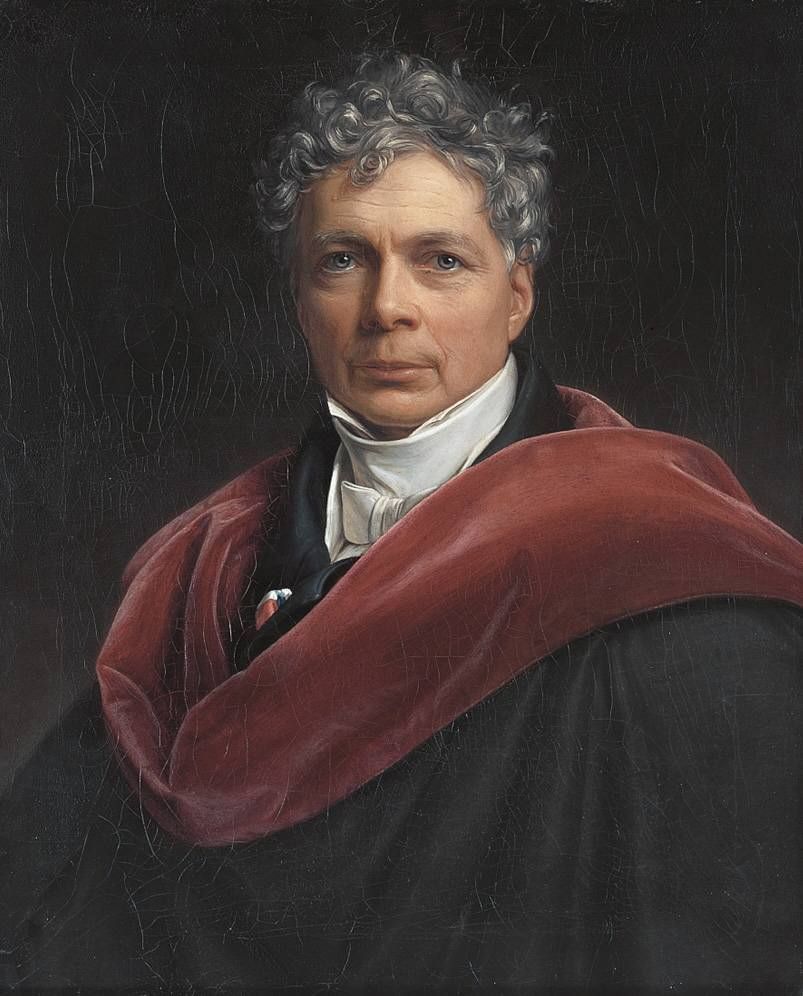
Friedrich Wilhelm Joseph von Schelling photo
Friedrich Wilhelm Joseph von Schelling: 12 citações0 Curtidas

Friedrich Wilhelm Joseph von Schelling: Frases em inglês

“How both the objective world accommodates to presentations in us, and presentations in us to the objective world, is unintelligible unless between the two worlds, the ideal and the real, there exists a pre-determined harmony.”

Friedrich Wilhelm Joseph Schelling

System of Transcendental Philosophy (1800)
Contexto: How both the objective world accommodates to presentations in us, and presentations in us to the objective world, is unintelligible unless between the two worlds, the ideal and the real, there exists a pre-determined harmony. But this latter is itself unthinkable unless the activity, whereby the objective world, is produced, is at bottom identical with that which expresses itself in volition, and vice versa.

“All rules for study are summed up in this one: learn only in order to create.”

Friedrich Wilhelm Joseph Schelling

Alle Regeln, die man dem Studieren vorschreiben könnte, fassen sich in der einen zusammen: Lerne nur, um selbst zu schaffen. <br class="br">On University Studies (1803), Third Lecture http://www.zeno.org/Philosophie/M/Schelling,+Friedrich+Wilhelm+Joseph/Vorlesungen+%C3%BCber+die+Methode+des+akademischen+Studiums/3.+%C3%9Cber+die+ersten+Voraussetzungen+des+akademischen+Studium. Cited by Patrick Dunleavy, Authoring a PhD (Basingstoke: Hampshire: Palgrave Macmillan, 2003), p. vi. <br class="br">On University Studies (1803)

“The fear of speculation, the ostensible rush from the theoretical to the practical, brings about the same shallowness in action that it does in knowledge. It is by studying a strictly theoretical philosophy that we become most acquainted with Ideas, and only Ideas provide action with vigour and ethical meaning.”

Friedrich Wilhelm Joseph Schelling

Die Scheu vor der Spekulation, das angebliche Forteilen vom bloß Theoretischen zum Praktischen, bewirkt im Handeln notwendig die gleiche Flachheit wie im Wissen. Das Studium einer streng theoretischen Philosophie macht uns am unmittelbarsten mit Ideen vertraut, und nur Ideen geben dem Handeln Nachdruck und sittliche Bedeutung. <br class="br">Vorlesungen über die Methode des akademischen Studiums ( Seventh Lecture http://www.zeno.org/Philosophie/M/Schelling,+Friedrich+Wilhelm+Joseph/Vorlesungen+%C3%BCber+die+Methode+des+akademischen+Studiums/7.+%C3%9Cber+einige+%C3%A4u%C3%9Fere+Gegens%C3%A4tze+der+Philosophie,+vornehmlich+den+der+positiven+Wissenschaften), Friedrich Wilhelm Joseph von Schellings sämmtliche Werke, V, 1859, p. 277 http://babel.hathitrust.org/cgi/pt?q1=%22nur%20Ideen%20geben%22;id=uva.x002624295;view=1up;seq=301;start=1;sz=10;page=search;num=277. <br class="br">On University Studies (1803)

Autores parecidos

Hegel photo
Hegel39
professor académico alemão None
Ludwig Feuerbach photo
Ludwig Feuerbach5
professor académico alemão None
Ludwig Van Beethoven photo
Ludwig Van Beethoven40
compositor alemão None
Arthur Schopenhauer photo
Arthur Schopenhauer156
filósofo alemão None
Jane Austen photo
Jane Austen80
romancista britânica None
Friedrich Engels photo
Friedrich Engels10
Cientista social alemão , autor, teórico político e filósofo None
Friedrich Nietzsche photo
Friedrich Nietzsche794
filósofo alemão do século XIX None