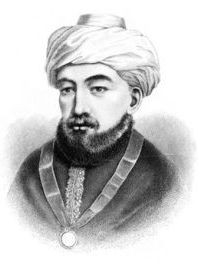
Moisés Maimônides Frases famosas
“Quando os intelectos contemplam a essência de Deus, sua apreensão torna-se incapacidade.”
Citado em o Livro da Filosofia (pg. 85) - Editora Globo - ISBN 978-85-250-4986-5
Moisés Maimônides: Frases em inglês
Maimónides livro The Guide for the Perplexed
Fonte: Guide for the Perplexed (c. 1190), Part III, Ch.24
Maimónides livro The Guide for the Perplexed
Fonte: Guide for the Perplexed (c. 1190), Part III, Ch.4
Fonte: Hilkhot De'ot (Laws Concerning Character Traits), Chapter 6, Section 1
Fonte: Hilkhot De'ot (Laws Concerning Character Traits), Chapter 2, Section 4, p. 32
Maimónides livro The Guide for the Perplexed
Fonte: Guide for the Perplexed (c. 1190), Part III, Ch.12
Maimónides livro The Guide for the Perplexed
Fonte: Guide for the Perplexed (c. 1190), Part III, Ch.25
Maimónides livro The Guide for the Perplexed
Fonte: Guide for the Perplexed (c. 1190), Part III, Ch.10
Maimónides livro Mishneh Torah
Book 7 (Sefer Zera'im "Seeds"), Treatise 2 (Mattenot Aniyiim "Laws of obligatory gifts to the poor"), Chapter (Perek) 10, Halacha 7 (Translated by Jonathan J. Baker.)
Mishneh Torah (c. 1180)
Variante: Concerning this [Leviticus 25:35] states: "You shall support him, the stranger, the resident, and he shall live among you." Implied is that you should support him before he falls and becomes needy. (Translated by Eliyahu Touger.)
“God cannot be compared to anything. Note this.”
Maimónides livro The Guide for the Perplexed
Fonte: Guide for the Perplexed (c. 1190), Part III, Ch.7
Fonte: Hilkhot De'ot (Laws Concerning Character Traits), Chapter 6, Section 1
“That which is produced with intention has passed over from non-existence to existence.”
Maimónides livro The Guide for the Perplexed
Fonte: Guide for the Perplexed (c. 1190), Part III, Ch.13
Maimónides livro The Guide for the Perplexed
Fonte: Guide for the Perplexed (c. 1190), Part III, Ch.14
Maimónides livro The Guide for the Perplexed
Deut. x. 12
Fonte: Guide for the Perplexed (c. 1190), Part III, Ch.29
Maimónides livro The Guide for the Perplexed
Fonte: Guide for the Perplexed (c. 1190), Part III, Ch.17
Maimónides livro The Guide for the Perplexed
Fonte: Guide for the Perplexed (c. 1190), Part III, Ch.17
Maimónides livro The Guide for the Perplexed
Fonte: Guide for the Perplexed (c. 1190), Part III, Ch.16
Maimónides livro The Guide for the Perplexed
Fonte: Guide for the Perplexed (c. 1190), Part I, p.36 (1881) Tr. Friedlander
Maimónides livro The Guide for the Perplexed
Is. lv. 8-9
Fonte: Guide for the Perplexed (c. 1190), Part III, Ch.20
Maimónides livro The Guide for the Perplexed
Fonte: Guide for the Perplexed (c. 1190), Part III, Ch.13
Maimónides livro The Guide for the Perplexed
Fonte: Guide for the Perplexed (c. 1190), Part III, Ch.31
Maimónides livro The Guide for the Perplexed
Fonte: Guide for the Perplexed (c. 1190), Part III, Ch.13
Maimónides livro The Guide for the Perplexed
Fonte: Guide for the Perplexed (c. 1190), Part III, Ch.15
Fonte: Hilkhot De'ot (Laws Concerning Character Traits), Chapter 7, Section 6, pp. 51-52
Maimónides livro The Guide for the Perplexed
Guide for the Perplexed (c. 1190), Introduction
Maimónides livro The Guide for the Perplexed
Fonte: Guide for the Perplexed (c. 1190), Part III, Ch.13
“Far from it be the notion that the Supreme Being is corporeal, having a material form.”
Maimónides livro The Guide for the Perplexed
Fonte: Guide for the Perplexed (c. 1190), Part I, p.33 (1881) Tr. Friedlander
Maimónides livro The Guide for the Perplexed
Fonte: Guide for the Perplexed (c. 1190), Part III, Ch.25
Maimónides livro The Guide for the Perplexed
Fonte: Guide for the Perplexed (c. 1190), Part III, Ch.25
Maimónides livro The Guide for the Perplexed
Fonte: Guide for the Perplexed (c. 1190), Part III, Ch.11
Maimónides livro The Guide for the Perplexed
Fonte: Guide for the Perplexed (c. 1190), Part III, Ch.17


