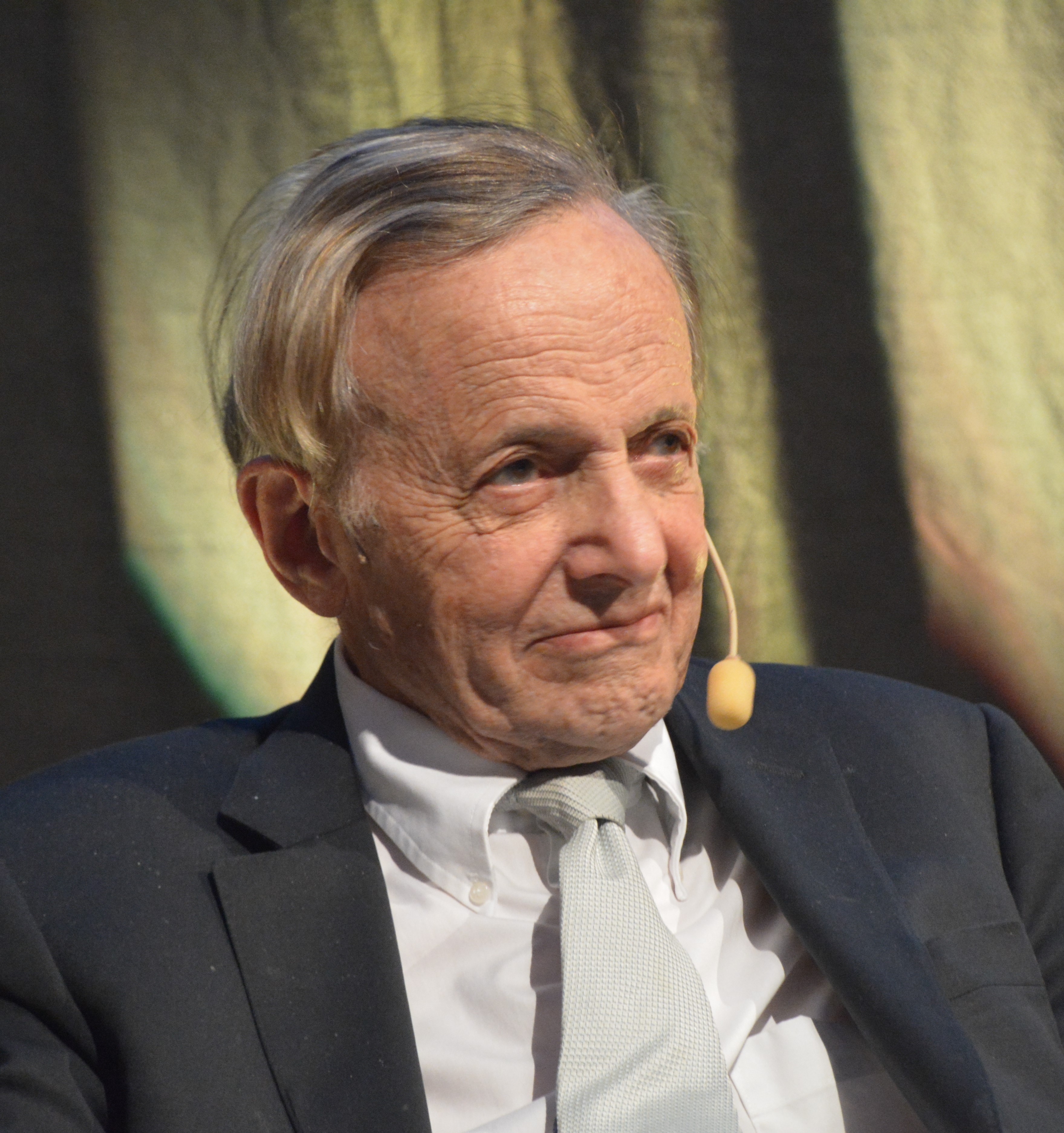
"The Magic of Science" in Imperial Oil Review (Spring, 1994) http://sites.utoronto.ca/jpolanyi/public_affairs/public_affairs4f.html. <br class="br">Contexto: It is not the laws of physics that make science possible but the unprovable proposition that there exists a grand design underlying the physical world. And not just any old "grand design" but one that is accessible to the limited senses and modest reasoning powers of the species to which we belong. Scientists subscribe with such conviction to this article of faith that they are willing to commit a lifetime to the pursuit of scientific discovery. It is hardly surprising that an activity so magical is also undefinable. Science is what scientists do. And what they do is look around themselves for messages written in the sky, the earth, the oceans and all living things – messages that tell of the unity of creation. These messages have been there – unseen, though at times written in letters miles high – since the dawn of history. But we have just passed through an epoch in which, quite suddenly, scientists seem to have learnt speed reading. Discoveries have been coming at an unprecedented pace. In the wake of such a period it is common to consider that we may be approaching the point where all that is readable in nature will have been read. We should be skeptical of such claims. Success in reading some messages brings with it a temporary blindness to others. We forget that between the words written in black in nature's book there are likely to be messages of equal importance written in white. It is a truism that success in science comes to the individuals who ask the right questions.
John Charles Polanyi: Frases em inglês
"The Magic of Science" in Imperial Oil Review (Spring, 1994) http://sites.utoronto.ca/jpolanyi/public_affairs/public_affairs4f.html. <br class="br">Contexto: It is not the laws of physics that make science possible but the unprovable proposition that there exists a grand design underlying the physical world. And not just any old "grand design" but one that is accessible to the limited senses and modest reasoning powers of the species to which we belong. Scientists subscribe with such conviction to this article of faith that they are willing to commit a lifetime to the pursuit of scientific discovery. It is hardly surprising that an activity so magical is also undefinable. Science is what scientists do. And what they do is look around themselves for messages written in the sky, the earth, the oceans and all living things – messages that tell of the unity of creation. These messages have been there – unseen, though at times written in letters miles high – since the dawn of history. But we have just passed through an epoch in which, quite suddenly, scientists seem to have learnt speed reading. Discoveries have been coming at an unprecedented pace. In the wake of such a period it is common to consider that we may be approaching the point where all that is readable in nature will have been read. We should be skeptical of such claims. Success in reading some messages brings with it a temporary blindness to others. We forget that between the words written in black in nature's book there are likely to be messages of equal importance written in white. It is a truism that success in science comes to the individuals who ask the right questions.
Address delivered to the Canadian Journalists for Free Expression awards banquet, in The Globe and Mail (27 November 2004) http://www.cjfe.org/awards06/speaker_polanyi.html.
" Some Concepts In Reaction Dynamics http://nobelprize.org/nobel_prizes/chemistry/laureates/1986/polanyi-lecture.pdf" (8 December 1986), as published in Nobel Lectures, Chemistry 1986, p. 403.
Nobel Prize acceptance speech http://www.utoronto.ca/jpolanyi/nobel_prize/, Nobel Banquet in Stockholm (1986)


