“A felicidade não depende do que nos falta, mas do bom uso do que temos.”
Variante: A felicidade não depende do que nos falta, mas sim do bom uso do que temos."
Thomas Hardy
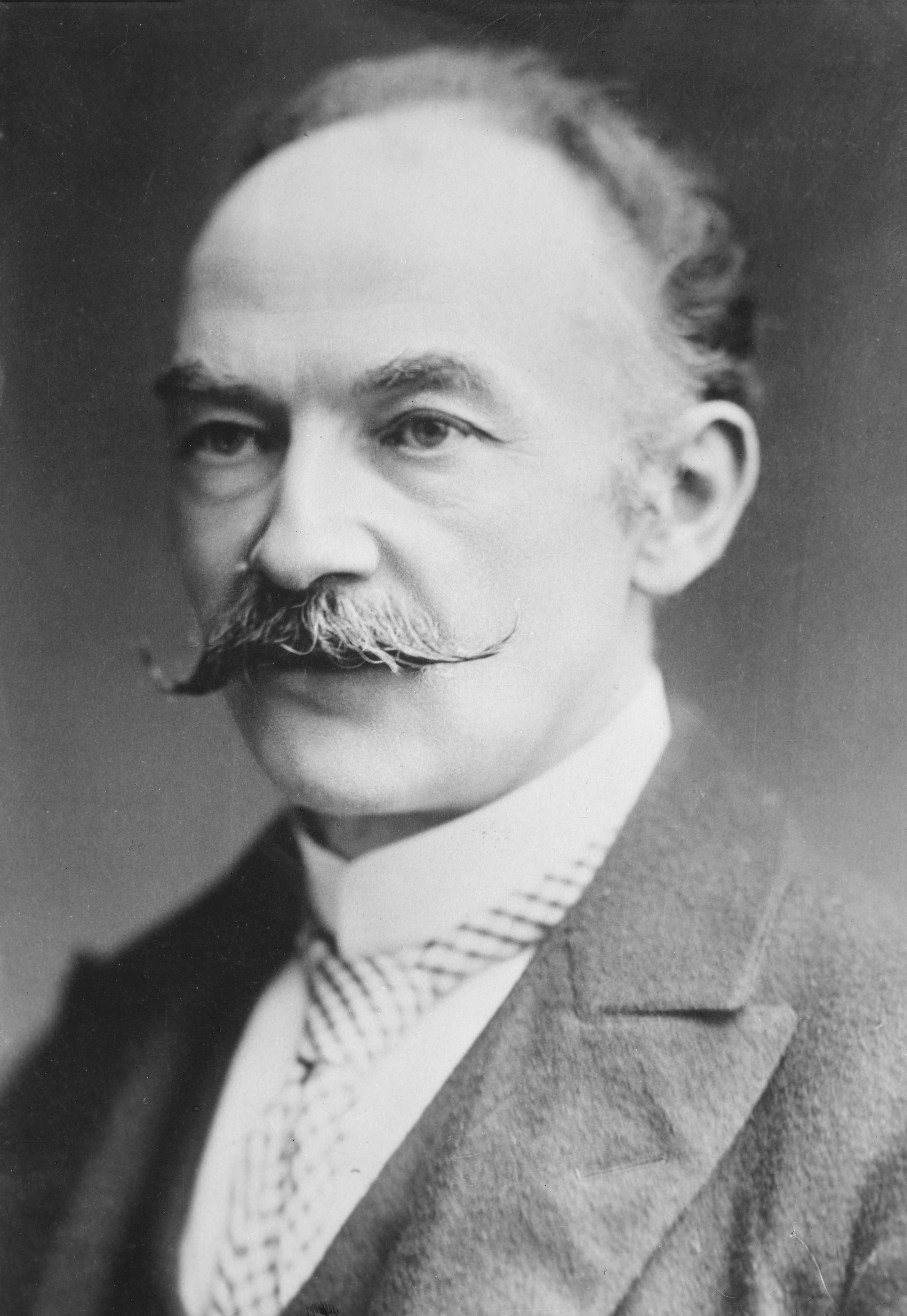
Thomas Hardy foi um novelista e poeta inglês. Autor de obras de grande importância, conhecido pelo pessimismo radical que caracteriza os seus romances.
De uma família de classe média, filho de um próspero construtor civil, passou sua infância no campo. Estudou arquitetura e trabalhou na restauração de edifícios antigos, principalmente igrejas, enquanto escrevia poemas que só publicaria no fim da vida, quando se revelou um extraordinário poeta. No seu período de maturidade , escreveu obras que se tornaram clássicos da literatura inglesa. Também foi um brilhante contista, que traçou perfis psicológicos antitéticos, portadores e conscientes de seus desejos sexuais e de sua própria opressão pela sociedade. O estilo prosaico e objetivo da sua linguagem, cuja temática voltava-se para a velhice, o amor e a morte, influiu na reação anti-romântica. Por tudo isso, foi considerado o "último dos grandes vitorianos".
Hardy casou-se com Emma Lavinia Gifford em 1874. Após a morte da esposa, em 1912, casou-se com Florence Emily Dugdale, autora de livros infantis. Morreu de causas naturais aos 87 anos. Ele está enterrado na Abadia de Westminster, com a excepção do seu coração, que está enterrado em Stinsford no condado de Dorset, próximo de Dorchester. Wikipedia
“A felicidade não depende do que nos falta, mas do bom uso do que temos.”
Variante: A felicidade não depende do que nos falta, mas sim do bom uso do que temos."
Thomas Hardy
Thomas Hardy livro The Return of the Native
Persons with any weight of character carry, like planets, their atmospheres along with them in their orbits <br class="br">The return of the native - Página 30 http://books.google.com.br/books?id=xYXkUI37hkAC&pg=PA30, de Thomas Hardy - Publicado por Forgotten Books, 1880, ISBN 1606801325, 9781606801321
Thomas Hardy livro Tess of the d'Urbervilles
phase the Sixth: The Convert, ch. XLVI
Tess of the d'Urbervilles (1891)
Thomas Hardy livro The Mayor of Casterbridge
Fonte: The Mayor of Casterbridge (1886), Ch. 44
“To find beauty in ugliness is the province of the poet.”
Statement (5 August 1888), as quoted in The life of Thomas Hardy 1840-1928 (1962) by Florence Emily Hardy
Thomas Hardy livro The Return of the Native
Bk. V, ch. 2
The Return of the Native (1878)
And each one hears,
And consummation comes, and jars two hemispheres.</p>
"The Convergence of the Twain (Lines on the loss of the Titanic), lines 22-33
Desperate Remedies (1871), vol. 2, ch. 4
Thomas Hardy livro The Mayor of Casterbridge
Fonte: The Mayor of Casterbridge (1886), Ch. 18
“Work hard and be poor, do nothing and get more.”
Thomas Hardy livro The Hand of Ethelberta
The Hand of Ethelberta (1876), ch. 1
Thomas Hardy livro Jude the Obscure
Pt. I, ch. XI
Jude the Obscure (1895)
Thomas Hardy livro The Return of the Native
Bk. I, ch. 1
The Return of the Native (1878)
“The main object of religion is not to get a man into heaven, but to get heaven into him.”
<p>This quote can be traced to two authors, in books published within the same year:</p><p>1) Rev. Edward John Hardy, known as E.J. Hardy (1849-1920), How to Be Happy Though Civil: A Book on Manners (New York, Scribners, 1909), ch. VI: A Christian Gentleman;
2) John Lubbock, 1st Baron Avebury, Peace and Happiness (Macmillan, 1909), ch. XV: Religion</p>
Misattributed
“Ah, no; the years, the years;
Down their carved names the raindrop plows.”
" During Wind and Rain http://www.cs.rice.edu/~ssiyer/minstrels/poems/96.html", lines 27-28, from Moments of Vision (1917)
Quoted in The Later Years of Thomas Hardy (1930), by Florence Emily Hardy, ch. 17, p. 212
“How bewitched I was! How could there be any good in a woman that everybody spoke ill of?”
Thomas Hardy livro The Return of the Native
Bk. V, ch. 3
The Return of the Native (1878)
Fonte: " The Voice http://www.portablepoetry.com/poems/thomas_hardy/the_voice.html" (1912), lines 1-4, from Satires of Circumstance (1914)
“Of course poets have morals and manners of their own, and custom is no argument with them.”
Thomas Hardy livro The Hand of Ethelberta
The Hand of Ethelberta (1876), ch. 2
Thomas Hardy livro The Return of the Native
Bk. IV, ch. 1
The Return of the Native (1878)
Thomas Hardy livro Tess of the d'Urbervilles
Phase the Second: Maiden No More, ch. XIII
Tess of the d'Urbervilles (1891)
“Ah," she said to herself, "want of an object to live for—that's all is the matter with me!”
Thomas Hardy livro The Return of the Native
Bk. II, ch. 4
The Return of the Native (1878)
Thomas Hardy livro The Mayor of Casterbridge
Fonte: The Mayor of Casterbridge (1886), Ch. 1
Thomas Hardy livro Tess of the d'Urbervilles
Phase the Third: The Rally, ch. XX
Tess of the d'Urbervilles (1891)
“Patience, that blending of moral courage with physical timidity.”
Thomas Hardy livro Tess of the d'Urbervilles
Phase the Fifth: The Woman Pays, ch. XLIII
Tess of the d'Urbervilles (1891)
Thomas Hardy livro The Hand of Ethelberta
The Hand of Ethelberta (1876), ch. 20
" The Ghost of the Past http://www.poetryconnection.net/poets/Thomas_Hardy/2715", lines 1-4, from Satires of Circumstance (1914)
Thomas Hardy livro The Return of the Native
Bk. I, ch. 1
The Return of the Native (1878)
" Afterwards http://www.web-books.com/Classics/Poetry/Anthology/Hardy/Afterwards.htm", lines 1-4, from Moments of Vision (1917)
“Aggressive Fancy working spells
Upon a mind o’erwrought.”
Thomas Hardy The Dynasts
Pt. I, sc. vi, Napoleon
The Dynasts (1904–1908)
“See what deceits love sows in honest minds!”
Thomas Hardy livro Two on a Tower
Two on a Tower (1882), vol 2, ch. 1 (Viviette Constantine speaking to Swithin St Cleeve)
“Good, but not religious-good.”
Thomas Hardy Under the Greenwood Tree
Under the Greenwood Tree (1872), ch. 2
Thomas Hardy livro The Return of the Native
Bk. I, ch. 2
The Return of the Native (1878)