“A felicidade não depende do que nos falta, mas do bom uso do que temos.”
Variante: A felicidade não depende do que nos falta, mas sim do bom uso do que temos."
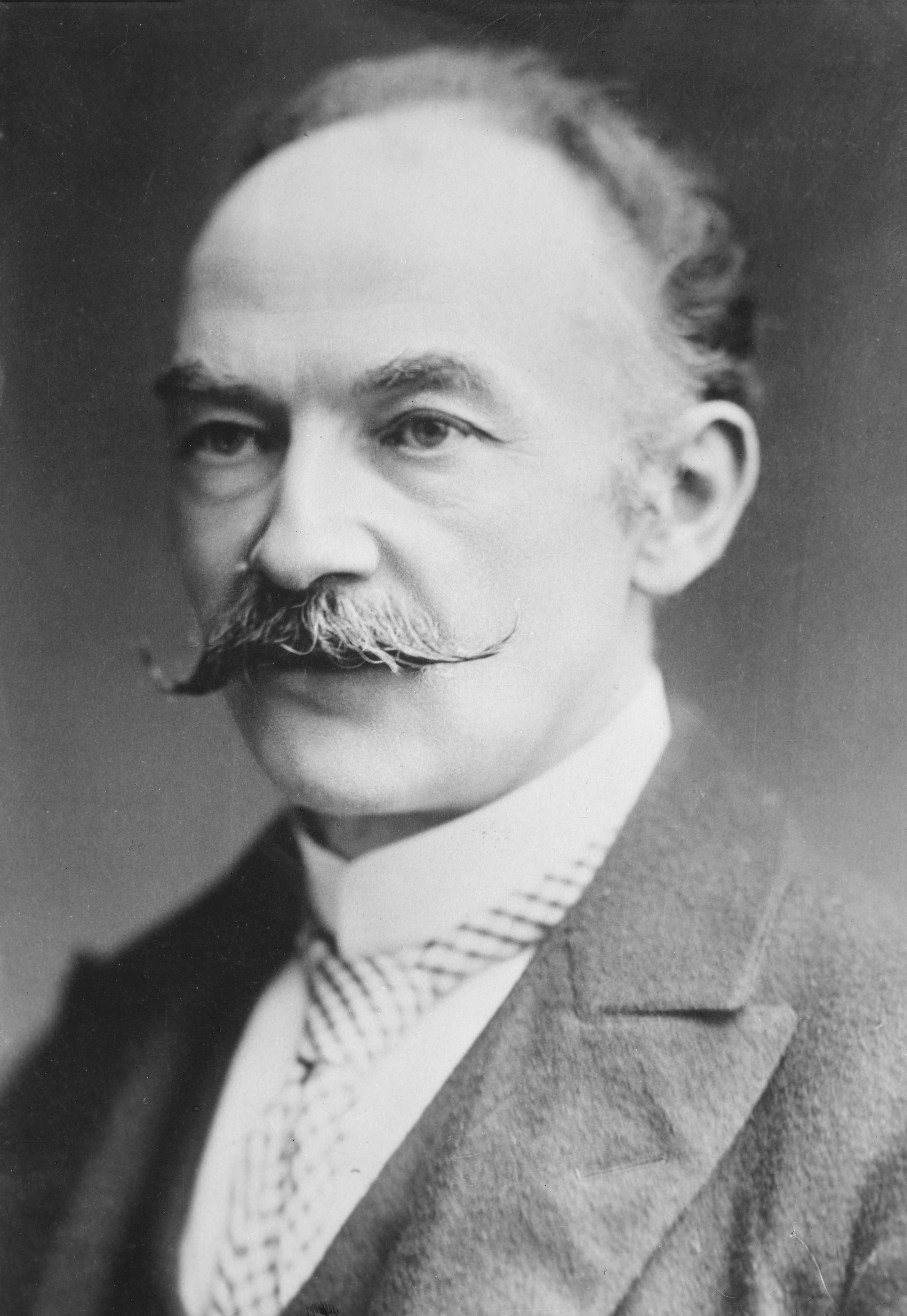
Thomas Hardy
Thomas Hardy foi um novelista e poeta inglês. Autor de obras de grande importância, conhecido pelo pessimismo radical que caracteriza os seus romances.
De uma família de classe média, filho de um próspero construtor civil, passou sua infância no campo. Estudou arquitetura e trabalhou na restauração de edifícios antigos, principalmente igrejas, enquanto escrevia poemas que só publicaria no fim da vida, quando se revelou um extraordinário poeta. No seu período de maturidade , escreveu obras que se tornaram clássicos da literatura inglesa. Também foi um brilhante contista, que traçou perfis psicológicos antitéticos, portadores e conscientes de seus desejos sexuais e de sua própria opressão pela sociedade. O estilo prosaico e objetivo da sua linguagem, cuja temática voltava-se para a velhice, o amor e a morte, influiu na reação anti-romântica. Por tudo isso, foi considerado o "último dos grandes vitorianos".
Hardy casou-se com Emma Lavinia Gifford em 1874. Após a morte da esposa, em 1912, casou-se com Florence Emily Dugdale, autora de livros infantis. Morreu de causas naturais aos 87 anos. Ele está enterrado na Abadia de Westminster, com a excepção do seu coração, que está enterrado em Stinsford no condado de Dorset, próximo de Dorchester. Wikipedia
“A felicidade não depende do que nos falta, mas do bom uso do que temos.”
Variante: A felicidade não depende do que nos falta, mas sim do bom uso do que temos."
Thomas Hardy
Thomas Hardy livro The Return of the Native
Persons with any weight of character carry, like planets, their atmospheres along with them in their orbits <br class="br">The return of the native - Página 30 http://books.google.com.br/books?id=xYXkUI37hkAC&pg=PA30, de Thomas Hardy - Publicado por Forgotten Books, 1880, ISBN 1606801325, 9781606801321
Diary entry (18 August 1908), quoted in The Later Years of Thomas Hardy (1930), by Florence Emily Hardy, ch. 10, p. 133
" Between Us Now, http://www.poemhunter.com/poem/between-us-now/" lines 21-24, from Poems of the Past and Present (1901)
" Channel Firing http://www.love-poems.me.uk/hardy_channel_firing.htm" (1914), lines 1-4, from Satires of Circumstance (1914)
Thomas Hardy livro The Return of the Native
Bk. I, ch. 1
The Return of the Native (1878)
Thomas Hardy livro Two on a Tower
Two on a Tower (1882), vol 1, ch. 4 (Swithin St Cleeve speaking to Viviette Constantine)
" On a Fine Morning http://www.poetryconnection.net/poets/Thomas_Hardy/16443" (1899), lines 1-7, from Poems of the Past and Present (1901)
“Twas a little one-eyed, blinking sort o' place.”
Thomas Hardy livro Tess of the d'Urbervilles
Phase the First: The Maiden, ch. I
Tess of the d'Urbervilles (1891)
“Why doth IT so and so, and ever so,
This viewless, voiceless Turner of the Wheel?”
Thomas Hardy The Dynasts
Pt. I, forescene, Spirit of the Pities
The Dynasts (1904–1908)
Thomas Hardy livro Tess of the d'Urbervilles
Phase the Third: The Rally, ch. XVIII
Tess of the d'Urbervilles (1891)
Heredity http://poetry.poetryx.com/poems/1007/, lines 1-6, from Moments of Vision (1917)
“This is the weather the shepherd shuns,
And so do I.”
" Weathers http://www.poetryconnection.net/poets/Thomas_Hardy/2735, lines 10-11, from Late Lyrics and Earlier (1922)
Thomas Hardy livro The Mayor of Casterbridge
Fonte: The Mayor of Casterbridge (1886), Ch. 45 (Henchard's will)
“Ere systemed suns were globed and lit
The slaughters of the race were writ.”
Thomas Hardy The Dynasts
Pt. II, sc. v, Semichorus I
The Dynasts (1904–1908)
Thomas Hardy livro Far from the Madding Crowd
Fonte: Far from the Madding Crowd (1874), Ch. 2
“Done because we are too menny.”
Thomas Hardy livro Jude the Obscure
Pt. VI, ch. II
Jude the Obscure (1895)
“To discover evil in a new friend is to most people only an additional experience”
Desperate Remedies (1871), ch. 1
Thomas Hardy livro Jude the Obscure
Pt. IV, ch. V
Jude the Obscure (1895)
"The Darkling Thrush", lines 21-32
Letter to the Humanitarian League (1910)
“Her love was entire as a child’s, and though warm as summer it was fresh as spring.”
Thomas Hardy livro Far from the Madding Crowd
Fonte: Far From The Madding Crowd