“A felicidade não depende do que nos falta, mas do bom uso do que temos.”
Variante: A felicidade não depende do que nos falta, mas sim do bom uso do que temos."
Thomas Hardy
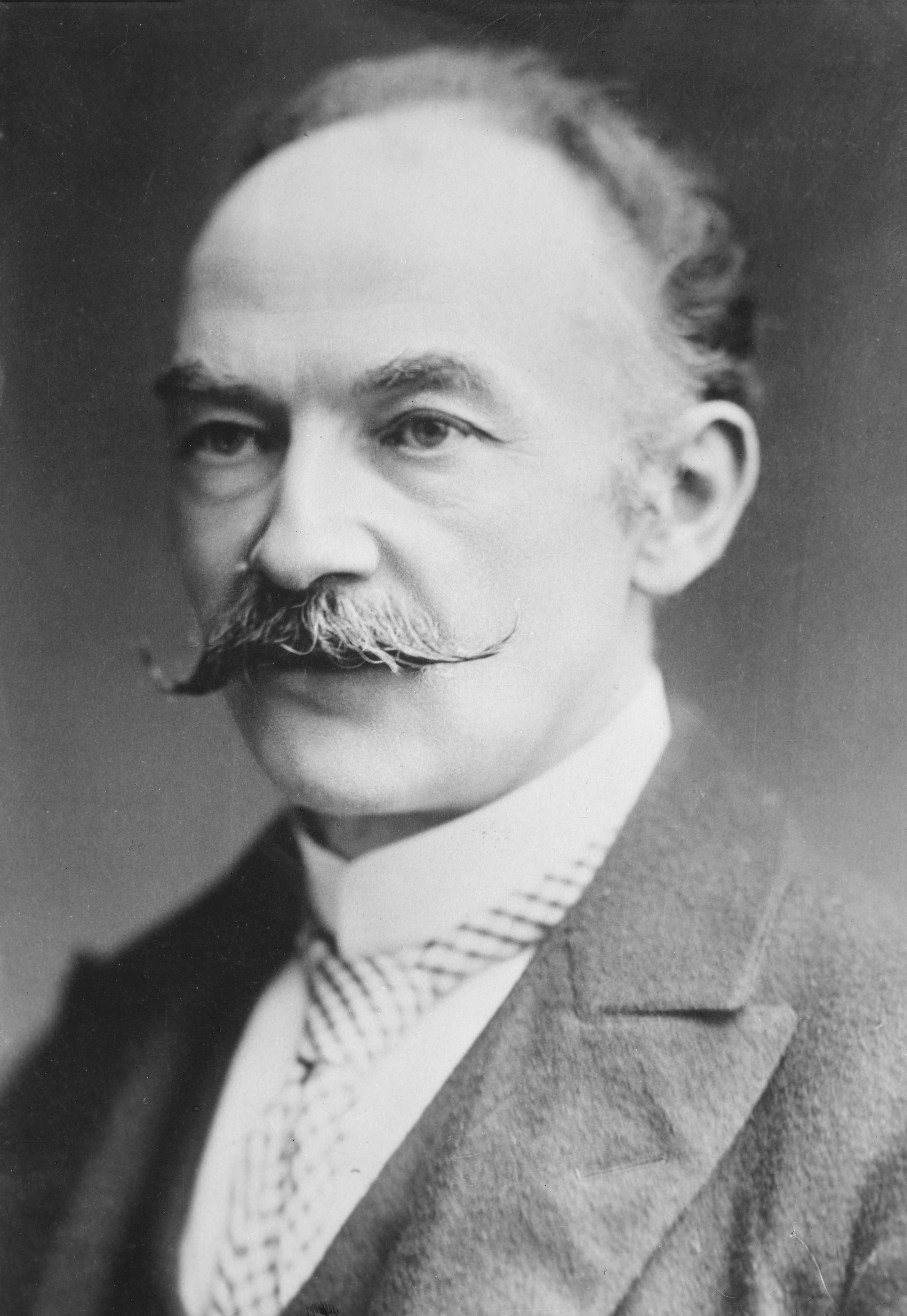
Thomas Hardy foi um novelista e poeta inglês. Autor de obras de grande importância, conhecido pelo pessimismo radical que caracteriza os seus romances.
De uma família de classe média, filho de um próspero construtor civil, passou sua infância no campo. Estudou arquitetura e trabalhou na restauração de edifícios antigos, principalmente igrejas, enquanto escrevia poemas que só publicaria no fim da vida, quando se revelou um extraordinário poeta. No seu período de maturidade , escreveu obras que se tornaram clássicos da literatura inglesa. Também foi um brilhante contista, que traçou perfis psicológicos antitéticos, portadores e conscientes de seus desejos sexuais e de sua própria opressão pela sociedade. O estilo prosaico e objetivo da sua linguagem, cuja temática voltava-se para a velhice, o amor e a morte, influiu na reação anti-romântica. Por tudo isso, foi considerado o "último dos grandes vitorianos".
Hardy casou-se com Emma Lavinia Gifford em 1874. Após a morte da esposa, em 1912, casou-se com Florence Emily Dugdale, autora de livros infantis. Morreu de causas naturais aos 87 anos. Ele está enterrado na Abadia de Westminster, com a excepção do seu coração, que está enterrado em Stinsford no condado de Dorset, próximo de Dorchester. Wikipedia
“A felicidade não depende do que nos falta, mas do bom uso do que temos.”
Variante: A felicidade não depende do que nos falta, mas sim do bom uso do que temos."
Thomas Hardy
Thomas Hardy livro The Return of the Native
Persons with any weight of character carry, like planets, their atmospheres along with them in their orbits <br class="br">The return of the native - Página 30 http://books.google.com.br/books?id=xYXkUI37hkAC&pg=PA30, de Thomas Hardy - Publicado por Forgotten Books, 1880, ISBN 1606801325, 9781606801321
Thomas Hardy livro Far from the Madding Crowd
Fonte: Far from the Madding Crowd
“Happiness was but the occasional episode in a general drama of pain.”
Thomas Hardy livro The Mayor of Casterbridge
Fonte: The Mayor of Casterbridge
“Though a good deal is too strange to be believed, nothing is too strange to have happened.”
Fonte: The Personal Notebooks Of Thomas Hardy
Variante: When a strong woman recklessly throws away her strength she is worse than a weak woman who has never had any strength to throw away.
Fonte: Tess of the D'Urbervilles
“Beauty lay not in the thing, but in what the thing symbolized.”
Fonte: Tess of the D'Urbervilles
“Why is it that a woman can see from a distance what a man cannot see close?”
Thomas Hardy livro The Return of the Native
Fonte: The Return of the Native
“My eyes were dazed by you for a little, and that was all.”
Fonte: Tess of the D'Urbervilles
Fonte: Tess of the D'Urbervilles
“All romances end at marriage.”
Thomas Hardy livro Far from the Madding Crowd
Fonte: Far from the Madding Crowd
Thomas Hardy livro The Return of the Native
Fonte: The Return of the Native
Thomas Hardy livro The Mayor of Casterbridge
Fonte: The Mayor of Casterbridge (1886), Ch. 45 (last lines)
Thomas Hardy livro The Return of the Native
Bk. I, ch. 7
The Return of the Native (1878)
" The Going http://www.poetryconnection.net/poets/Thomas_Hardy/2716" (1912), lines 38-42, from Satires of Circumstance (1914)
Thomas Hardy livro The Return of the Native
Bk. III, ch. 2
The Return of the Native (1878)
Thomas Hardy livro Far from the Madding Crowd
Variante: They spoke very little of their mutual feelings: pretty phrases and warm attentions being probably unnecessary between such tried friends.
Fonte: Far from the Madding Crowd
" In Time of 'The Breaking Of Nations'" http://www.victorianweb.org/authors/hardy/poems/breaking.html (1915), lines 1-12, from Moments of Vision (1917); the title is derived from lines of Jeremiah 51:20: "Thou art my battle ax and weapons of war: for with thee will I break in pieces the nations." <br class="br">Contexto: p>Only a man harrowing clods<br>In a slow silent walk<br>With an old horse that stumbles and nods<br>Half asleep as they stalk.Only thin smoke without flame<br>From the heaps of couch-grass;<br>Yet this will go onward the same<br>Though Dynasties pass.Yonder a maid and her wight<br>Come whispering by:<br>War's annals will cloud into night<br>Ere their story die.</p
Thomas Hardy livro The Hand of Ethelberta
The Hand of Ethelberta (1876), ch. 20
“War's annals will cloud into night
Ere their story die.”
" In Time of 'The Breaking Of Nations'" http://www.victorianweb.org/authors/hardy/poems/breaking.html (1915), lines 1-12, from Moments of Vision (1917); the title is derived from lines of Jeremiah 51:20: "Thou art my battle ax and weapons of war: for with thee will I break in pieces the nations." <br class="br">Contexto: p>Only a man harrowing clods<br>In a slow silent walk<br>With an old horse that stumbles and nods<br>Half asleep as they stalk.Only thin smoke without flame<br>From the heaps of couch-grass;<br>Yet this will go onward the same<br>Though Dynasties pass.Yonder a maid and her wight<br>Come whispering by:<br>War's annals will cloud into night<br>Ere their story die.</p
Thomas Hardy livro Far from the Madding Crowd
Fonte: Far from the Madding Crowd (1874), Ch. 51
Thomas Hardy livro Far from the Madding Crowd
Fonte: Far from the Madding Crowd (1874), Ch. 4
“Did it never strike your mind that what every woman says, some women may feel?”
Fonte: Tess of the D'Urbervilles
Fonte: Tess of the D'Urbervilles
Thomas Hardy livro Far from the Madding Crowd
Fonte: Far from the Madding Crowd (1874), Ch. 4 (Gabriel Oak, proposing to Bathsheba Everdene)
“… our impulses are too strong for our judgement sometimes”
Fonte: Tess of the D'Urbervilles
Thomas Hardy livro Far from the Madding Crowd
Fonte: Far from the Madding Crowd