“Os impostos são o preço que nós pagamos por uma sociedade civilizada.”
Taxes are the price we pay for a civilized society.
Dito segundo as informações recebidas por Holmes em um discurso em 1904.
Oliver Wendell Holmes , jurista americano da Suprema Corte dos Estados Unidos da América chamado frequentemente de “o grande dissonante”; filho de "Oliver Wendell Holmes,".
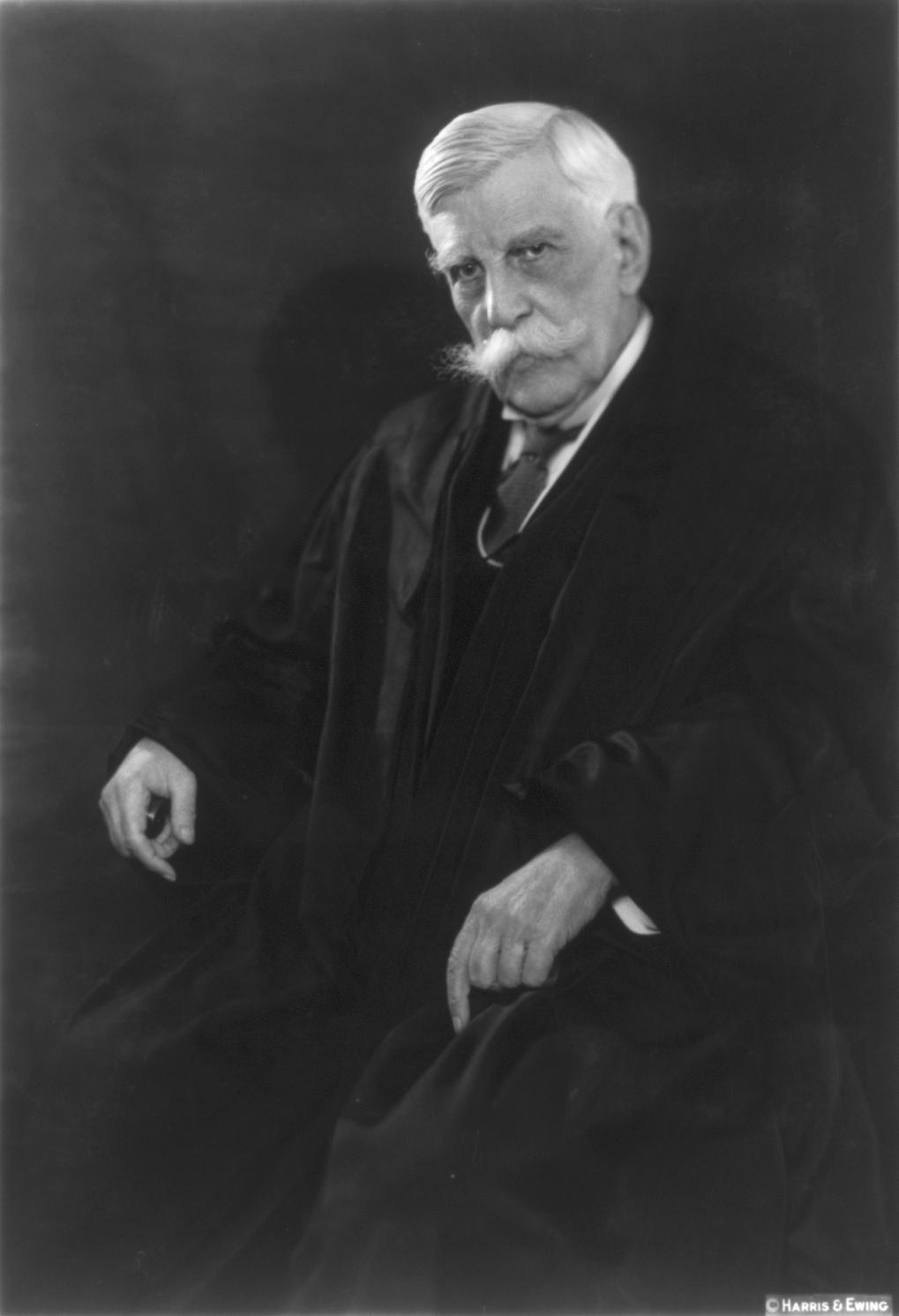
“Os impostos são o preço que nós pagamos por uma sociedade civilizada.”
Taxes are the price we pay for a civilized society.
Dito segundo as informações recebidas por Holmes em um discurso em 1904.
“As proposições gerais não decidem casos concretos.”
General propositions do not decide concrete cases.
Lochner v. New York, 198 U.S. 45, 76 (1905).
“O caráter de cada ato depende sobretudo das circunstâncias em que é feito.”
The character of every act depends upon the circumstances in which it is done.
Schenck v. United States, 249 U.S. 47, 52 (1919) (opinião publicada em 3 de março de 1919)
Attribution reported in Respectfully Quoted: A Dictionary of Quotations (1989), which states that this is not verified in works about him nor in Magnificent Yankee, the film about him. Holmes expressed a similar sentiment in a letter to Sir Frederick Pollock (May 24, 1929): "For sixty years she made life poetry for me". Mark De Wolfe Howe, ed., Holmes-Pollock Letters (1941), vol. 2, p. 243.
Attributions
“A child's education should begin at least one hundred years before he was born.”
More likely attributable to Oliver Wendell Holmes, Sr.
Misattributed
1910s, "Law and the Court" (1913)
Schenck v. United States, 249 U.S. 47, 52 (3 March 1919).
1910s
“Your right to swing your arms ends just where the other man's nose begins.”
Various permutations of this quote have been attributed to Holmes, but its was actually written by Zechariah Chafee, "Freedom of Speech in Wartime", 32 Harvard Law Review 932, 957 (1919).
Misattributed
“Old age is always fifteen years older than I am.”
Actually by financier Bernard Baruch.
Misattributed
1910s, "Law and the Court" (1913)
“Men must turn square corners when they deal with the Government.”
Rock Island C.R.R. v. United States, 254 U.S. 141, 143 (22 November 1920).
1920s
Towne vs. Eisner, 245 U.S. 418, 425 (7 January 1918).
1910s
“Even a dog distinguishes between being stumbled over and being kicked.”
"Early Forms of Liability," Lecture I from The Common Law. (1909).
1900s
Ibid.
1890s
“If I were dying, my last words would be, Have faith and pursue the unknown end.”
Letter to John Ching Hsiung Wu (1924), published in Justice Oliver Wendell Holmes: His Book Notices and Uncollected Letters and Papers (1936) by Harry Clair Shriver, p. 175.
1920s
Gitlow v. People of New York, 268 U.S. 652 (1925) (dissenting).
1920s


