“Não importa. Tente outra vez. Fracasse outra vez. Fracasse melhor.”
No matter. Try again. Fail again. Fail better.
Nohow on: three novels - Página 89, Samuel Beckett - Grove Press, 1996, ISBN 0802134262, 9780802134264 - 116 páginas
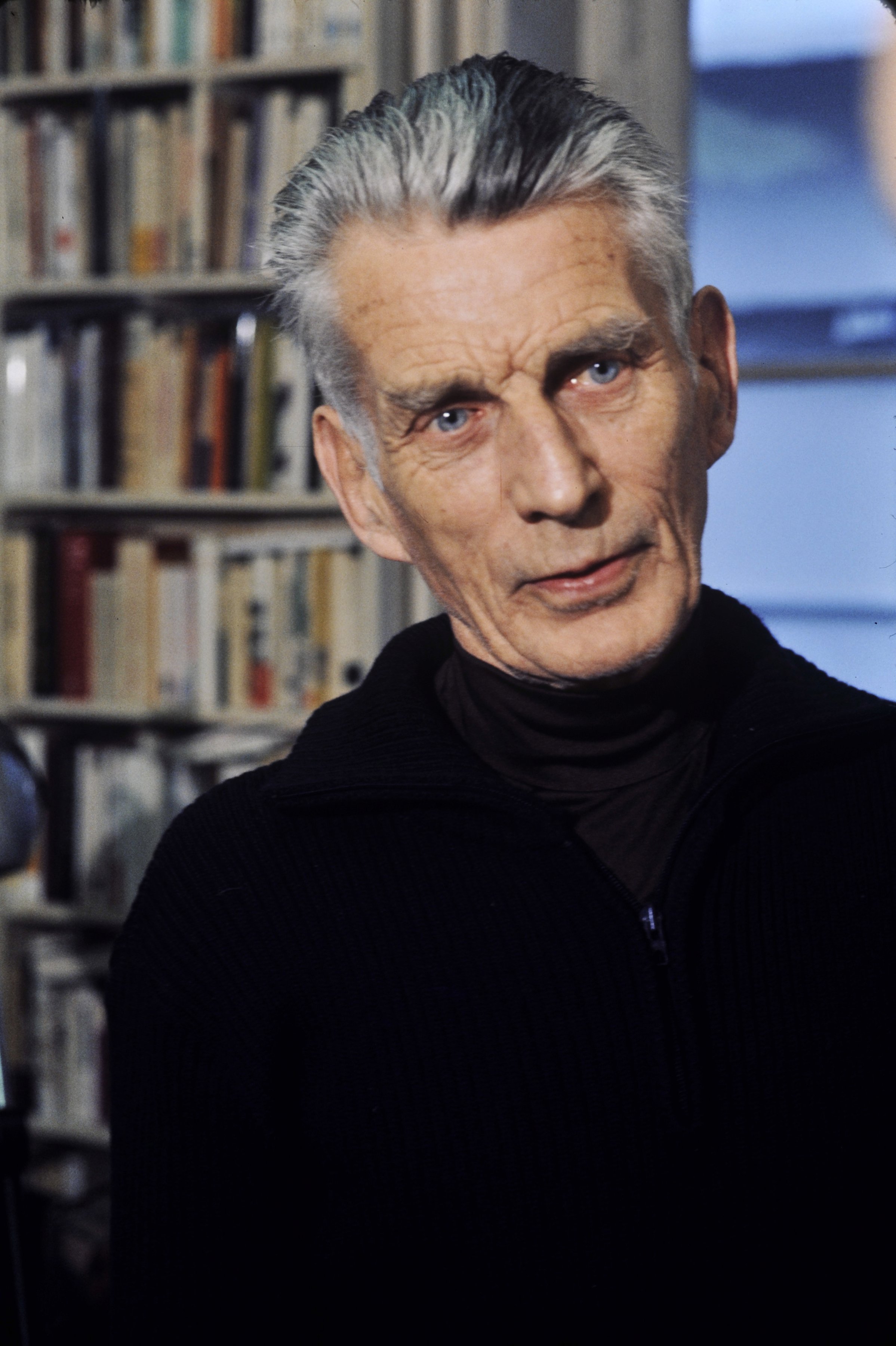
Samuel Barclay Beckett foi um dramaturgo e escritor irlandês.
Beckett é amplamente considerado como um dos escritores mais influentes do século XX. Fortemente influenciado por James Joyce, ele é considerado um dos últimos modernistas. Como inspiração para muitos escritores posteriores, ele às vezes também é considerado um dos primeiros pós-modernistas. Ele é um dos escritores fundamentais, no que Martin Esslin chamou de "Teatro do absurdo". Seu trabalho tornou-se cada vez mais minimalista em sua carreira mais tarde.
Recebeu o Nobel de Literatura de 1969. Utiliza nas suas obras, traduzidas em mais de trinta línguas, uma riqueza metafórica imensa, privilegiando uma visão pessimista acerca do fenômeno humano. É considerado um dos principais autores do denominado teatro do absurdo. Sua obra mais famosa tanto no Brasil como em Portugal é a peça Esperando Godot. Wikipedia
“Não importa. Tente outra vez. Fracasse outra vez. Fracasse melhor.”
No matter. Try again. Fail again. Fail better.
Nohow on: three novels - Página 89, Samuel Beckett - Grove Press, 1996, ISBN 0802134262, 9780802134264 - 116 páginas
“Toda palavra é como uma mácula desnecessária no silêncio e no nada.”
Every word is like an unnecessary stain on silence and nothingness.
citado em "Close-up" - Página 52, John Gruen - Viking Press, 1968 - 206 páginas
Samuel Beckett livro Molloy
It's of me now I must speak, even if I have to do it with their language, it will be a start, a step towards the silence and the end of madness
Molloy: a novel - Página 449, Samuel Beckett - Grove Press, 1955 - 241 páginas
Samuel Beckett livro Three Dialogues
Also quoted in "Conversations with Samuel Beckett and Bram van Velde by Charles Juliet" by Nicholas Lezard, in The Guardian (23 January 2010) http://www.theguardian.com/books/2010/jan/23/conversations-samuel-beckett-van-velde <br class="br">Three Dialogues (1949)
“I grow gnomic. It is the last phase.”
The Letters of Samuel Becket 1929–1940 (2009), p. 209
The Calmative (1946)
"Gnome" in Dublin Magazine Vol. 9 (1934), p. 8
Samuel Beckett livro Watt
Part III, p. 201
Watt (1943)
“To him who has nothing it is forbidden not to relish filth.”
Samuel Beckett livro Molloy
Molloy (1951)
Samuel Beckett livro The Unnamable
The Unnamable (1954)
“Dear incomprehension, it’s thanks to you I’ll be myself, in the end.”
Samuel Beckett livro The Unnamable
The Unnamable (1954)
Samuel Beckett livro The Unnamable
The Unnamable (1954)
Samuel Beckett livro The Unnamable
The Unnamable (1954)
Samuel Beckett livro Molloy
Molloy (1951)
Said about Waiting for Godot, from Jonathan Croall, The Coming of Godot (2005) ISBN 1-840-02595-6, p. 91
Tom F. Driver, "Beckett by the Madeleine" (1961), Columbia University Forum 4 (Summer 1961): 21-25; it later appeared in Stanley A. Clayes, ed., Drama and Discussion (1967), pp. 604-7, as quoted in "Rick On Theater" 25 January 2018 http://rickontheater.blogspot.com/2018/01/beckett-by-madeleine.html.
Samuel Beckett A Piece of Monologue
A Piece of Monologue (1979)