“The wise will make their anger cool
At least before 'tis night”
Song 17: "Love between Brothers and Sisters".
1710s, Divine Songs Attempted in the Easy Language of Children (1715)
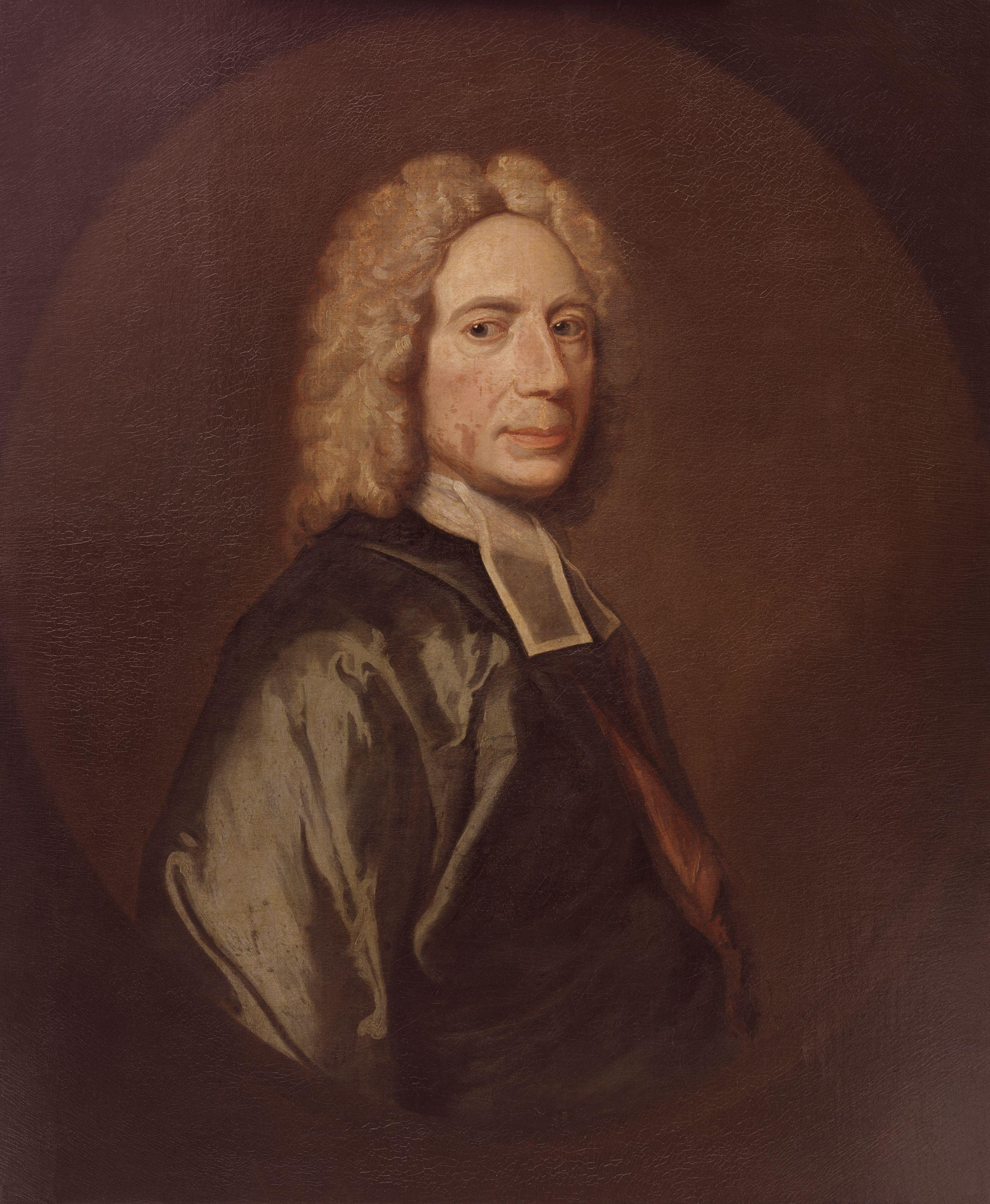
Isaac Watts foi um poeta, pregador, teólogo, lógico e pedagogo inglês. É reconhecido como o "Pai do Hino Inglês", como ele foi o primeiro escritor de hinos prolífico e popular inglês, creditado com quase 750 hinos. Muitos de seus hinos permanecem ativos no uso hoje e têm sido traduzidos em várias línguas.
Nascido em 1674, Southampton, Inglaterra, Watts cresceu em uma casa de um empenhado religioso não-conformista; seu pai, também chamado Isaac Watts, o qual foi encarcerado duas vezes devido suas ideias. Na escola do Rei Eduardo VI, Watts recebeu uma educação clássica, aprendendo Latim, Grego e Hebraico.
Desde a idade mais tenra, Watts se mostrava propenso a rima. Certa feita, ele respondeu quando o perguntaram o porquê ele mantinha os olhos abertos durante orações:
Que quer dizer:
Ao receber punição corporal por isso, ele exclamou:
O que em inglês rima e que quer dizer:
Por ser um não conformista, Watts não pôde estudar em universidades como Oxford ou Cambridge, as quais eram restritas a anglicanos, segundo as posições do governo da época. Ele então foi para a Academia Dissidente em Stoke Newington em 1690. O restante de sua vida é centrada nessa cidade, que agora faz parte do centro de Londres.
Dando continuidade a sua educação, Watts foi chamado de pastor por uma variedade de capelas independentes de Londres, onde ajudou a treinar pregadores , apesar de sua saúde frágil. Isaac Watts tinha opiniões as quais eram consideradas mais não-denominacionais ou ecumênicas que o normal para a maioria dos não conformistas de sua época; ele tinha um interesse maior em promover a educação e estudos que a pregação em si para algum determinado grupo.
Começou a trabalhar como um tutor privado, Watts viveu com a família de não conformistas, Hartopp, em Fleetwood House, na rua da Igreja em Stoke Newington. Então ele passou a conhecer a vizinhança imediata, Sir Thomas Abney e Lady Mary.
Convidado par a passar uma semana em Hertfordshire, Watts acabou vivendo 36 no total nas dependências da família Abney, na maior parte do tempo em Abney House, a segunda residência da família.
Com a morte do Sir Thomas Abney em 1722, a viúva Lady Mary e sua filha solteira, Elizabeth, se mudaram com toda sua família para Abney Hall, situava em Hertfordshire. Ela convidou Watts para continuar com sua família. Ele viveu em Abney Hall até a sua morte em 1748.
Watts gostava particularmente das dependências do Abney Park, onde ele sempre buscava inspiração para escrever seus hinos e livros.
Watts faleceu em Stoke Newington em 1748, e foi enterrado em Bunhill Fields. Ele deixou um extenso legado de hinos, tratados, trabalhos educacionais e ensaios. Seu trabalho influenciou não conformitas independentes e religiosos revivalistas do século XVIII, como Philip Doddridge, o qual dedicou o seu trabalho mais conhecido a Watts. Wikipedia
“The wise will make their anger cool
At least before 'tis night”
Song 17: "Love between Brothers and Sisters".
1710s, Divine Songs Attempted in the Easy Language of Children (1715)
Song 20: "Against Idleness and Mischief". Parodied by Lewis Carroll in Alice's Adventures in Wonderland.
1710s, Divine Songs Attempted in the Easy Language of Children (1715)
Stanza 1.
1710s, Psalm 98 "Joy to the World!" (1719)
Contexto: Joy to the world! the Lord is come;
Let earth receive her King.
Let ev'ry heart prepare Him room,
And heav'n and nature sing,
And heaven and nature sing,
And heaven, and heaven, and nature sing.
Stanza 4.
1710s, Psalm 98 "Joy to the World!" (1719)
Contexto: He rules the world with truth and grace,
And makes the nations prove
The glories of His righteousness,
And wonders of His love,
And wonders of His love,
And wonders, wonders, of His love.
Song 6: "Praise for the Gospel".
1710s, Divine Songs Attempted in the Easy Language of Children (1715)
Song 16: "Against Quarrelling and Fighting".
1710s, Divine Songs Attempted in the Easy Language of Children (1715)
Stanza 2.
1710s, Psalm 98 "Joy to the World!" (1719)
Song 22: "Against Pride in Clothes".
1710s, Divine Songs Attempted in the Easy Language of Children (1715)
“I have been there, and still would go;
'T is like a little heaven below.”
Song 28: "For the Lord's Day Evening".
1710s, Divine Songs Attempted in the Easy Language of Children (1715)
Hymn 146, Hymns and Spiritual Songs, Book II.
Attributed from postum publications, Hymns and Spiritual Songs (1773)
Song 20: "Against Idleness and Mischief".
1710s, Divine Songs Attempted in the Easy Language of Children (1715)
(1741), Ch. I, General Rules for the Improvement of Knowlege, Rule X "Avoid a dogmatical spirit".
1720s, The Improvement of the Mind (1727)
(1727), Ch. I, General Rules for the Improvement of Knowlege, Rule VII -
1720s, The Improvement of the Mind (1727)
“And he that does one fault at first
And lies to hide it, makes it two.”
Song 15. Compare: "Dare to be true: nothing can need a lie; A fault which needs it most, grows two thereby", George Herbert, The Church Porch.
1710s, Divine Songs Attempted in the Easy Language of Children (1715)
“There's not a place where we can flee,
But God is present there.”
Song 2: "Praise for Creation and Providence".
1710s, Divine Songs Attempted in the Easy Language of Children (1715)
Song 22: "Against Pride in Clothes".
1710s, Divine Songs Attempted in the Easy Language of Children (1715)
Fonte: Attributed from postum publications, Dictionary of Burning Words of Brilliant Writers (1895), P. 82.
Fonte: 1720s, The Improvement of the Mind (1727), Ch. I, General Rules for the Improvement of Knowlege, Rule IX
Psalm 117.
1710s, "Our God, our help in ages past" (1719)
Fonte: Attributed from postum publications, Dictionary of Burning Words of Brilliant Writers (1895), P. 72.
“A flower may fade before 'tis noon,
And I this day may lose my breath.”
Song 13: "The Danger of Delay".
1710s, Divine Songs Attempted in the Easy Language of Children (1715)
Song 16: "Against Quarrelling and Fighting".
1710s, Divine Songs Attempted in the Easy Language of Children (1715)
“Strange that a harp of thousand strings
Should keep in tune so long!”
Hymn 19, Hymns and Spiritual Songs, Book II.
Attributed from postum publications, Hymns and Spiritual Songs (1773)
"False Greatness" in Horae Lyricae Book II (1706).
Compare: "I do not distinguish by the eye, but by the mind, which is the proper judge of the man", Seneca, On a Happy Life (L'Estrange's Abstract), chap. i
&: "It is the mind that makes the man, and our vigour is in our immortal soul", Attributed uncertainly to Ovid
1700s
Hymn 65 Hymns and Spiritual Songs, Book II.
Attributed from postum publications, Hymns and Spiritual Songs (1773)
“Let me be dressed fine as I will,
Flies, worms, and flowers, exceed me still.”
Song 22: "Against Pride in Clothes".
1710s, Divine Songs Attempted in the Easy Language of Children (1715)
“I believe the promises of God enough to venture an eternity on them.”
Fonte: Attributed from postum publications, Dictionary of Burning Words of Brilliant Writers (1895), P. 261.
Song 35: "A Cradle Hymn".
1710s, Divine Songs Attempted in the Easy Language of Children (1715)
“The tall, the wise, the reverend head
Must lie as low as ours.”
Hymn 63, Hymns and Spiritual Songs, Book II.
Attributed from postum publications, Hymns and Spiritual Songs (1773)
Song 4.
1710s, Divine Songs Attempted in the Easy Language of Children (1715)