C. Wright Mills livro The Power Elite
The Power Elite (1956)
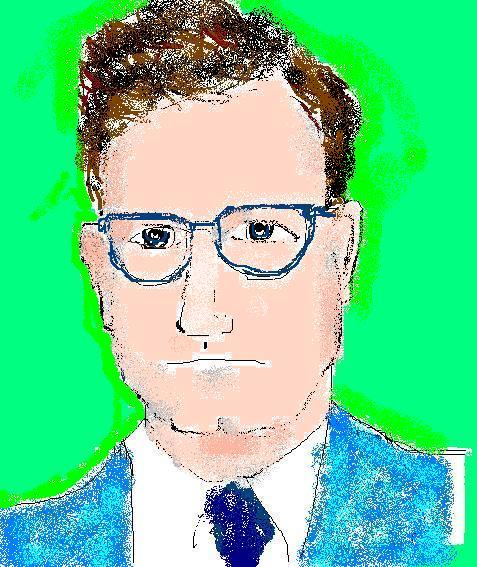
Charles Wright Mills foi um sociólogo norte-americano.Mestre em arte, filosofia e sociologia pela Universidade do Texas, doutorou-se em sociologia e antropologia pela Universidade de Wisconsin. Foi professor de Sociologia das Universidades de Maryland e Columbia.
O autor ficou principalmente conhecido por seu livro A Imaginação Sociológica, publicado originalmente nos EUA em 1959. Nele o autor faz um apelo para que sociólogos não deixem a imaginação e a criatividade de lado, ao exercerem sua profissão, em favor de uma pretensa objetividade e neutralidade do trabalho científico. Para o autor as grandes obras e os grandes intelectuais da história nunca abriram mão de sua reflexividade e criatividade, além de uma postura crítica diante da realidade. Como exemplos de trabalhos intelectuais de sua época, Mills cita O Behemoth de Franz Neumann como obra científica estimulante à reflexão, e a obra de Talcott Parsons como exemplo da tendência cientificista da sociologia de sua época e de linguagem desnecessariamente complicada e inacessível ao grande público.
Uma das críticas de Mills à sociologia era de que esta deveria ser acessível à compreensão do grande público. Esta sua crítica fazia parte de seu argumento maior de que o intelectual deveria manter uma postura crítica e reflexiva diante da realidade, e assim tomar parte nos debates públicos de sua época.
Mills foi leitor atento da obra de Max Weber, tendo editado nos EUA uma compilação de textos deste último, juntamente com Hans H. Gerth, obra que ficou intitulada 'From Max Weber: essays in Sociology' . Nesta obra, Mills e Gerth apresentam uma importante reflexão sobre a obra de Max Weber articulada a um escorço biográfico deste autor.
Para Mills, a racionalidade do mundo ocidental da atualidade não produziu a indispensável libertação do ser humano, já que as principais idelogias desenvolvidas - capitalismo e socialismo - não se mostraram aptas a prever e controlar intensos processos de mudanças sociais.
C. Wright Mills livro The Power Elite
The Power Elite (1956)
"Structure of Power in America", The British Journal of Sociology, Vol. 9 (March 1958).
1950s
Fonte: Letters & Autobiographical Writings (1954), p. 185.
C. Wright Mills livro The Power Elite
The Power Elite (1956)
C. Wright Mills livro The Power Elite
Fonte: The Power Elite (1956), P. 242, describing the view commonly held in the eighteenth century.
C. Wright Mills livro The Power Elite
Fonte: The Power Elite (1956), p. 7; discussing sectors of society which Mills feels have only recently become the dominant factors in determining the ultimate course of society.
C. Wright Mills livro The Sociological Imagination
Fonte: The Sociological Imagination (1959), p. 31, commenting on the verbosity of the chief work of competing sociologist Talcott Parsons.
The Causes of World War Three (1960)
C. Wright Mills livro White Collar: The American Middle Classes
White Collar: The American Middle Classes (1951)
C. Wright Mills livro The Power Elite
The Power Elite (1956)
"Liberal Values in the Modern World," in Power , Politics and People (1963), p. 189.
1960s
C. Wright Mills livro The Sociological Imagination
Appendix: "On Intellectual Craftsmanship"
The Sociological Imagination (1959)
The New Men of Power (1948).
1940s
C. Wright Mills livro White Collar: The American Middle Classes
White Collar: The American Middle Classes (1951)
C. Wright Mills livro White Collar: The American Middle Classes
White Collar: The American Middle Classes (1951)
C. Wright Mills livro The Sociological Imagination
Fonte: The Sociological Imagination (1959), p. 174.
C. Wright Mills livro The Power Elite
The Power Elite (1956)
Mills was invited to speak in the Soviet Union as an honored guest, due to his criticisms of economies in the West; he was asked to make a toast at a banquet, and in his contrarian way, toasted Trotsky, whose works had been banned in the Soviet Union by Stalin. Reported in Saul Landau, "C. Wright Mills: The Last Six Months", Ramparts (August 1965), p. 49-50.
1960s
C. Wright Mills livro The Power Elite
The Power Elite (1956)
Fonte: Letters & Autobiographical Writings (1954), pp. 184-185.
C. Wright Mills livro The Power Elite
The Power Elite (1956)
C. Wright Mills livro The Power Elite
Fonte: The Power Elite (1956), p. 5.
Listen Yankee (1960), pp. 144-145.
1960s
C. Wright Mills livro The Power Elite
Fonte: The Power Elite (1956), p. 14.
Character & Social Structure (1954).
1950s
C. Wright Mills livro White Collar: The American Middle Classes
Section One: The Competitive Way of Life.
White Collar: The American Middle Classes (1951)
“Hegel is correct: we learn from history that we cannot learn from it.”
C. Wright Mills livro The Power Elite
Fonte: The Power Elite (1956), p. 23.


