“Eles conseguem dinheiro para a guerra, mas não conseguem acabar com a pobreza.”
They got money for wars, but can't feed the poor/Say there ain't no hope for the youth and the truth is
na música "Keep Ya Head Up"
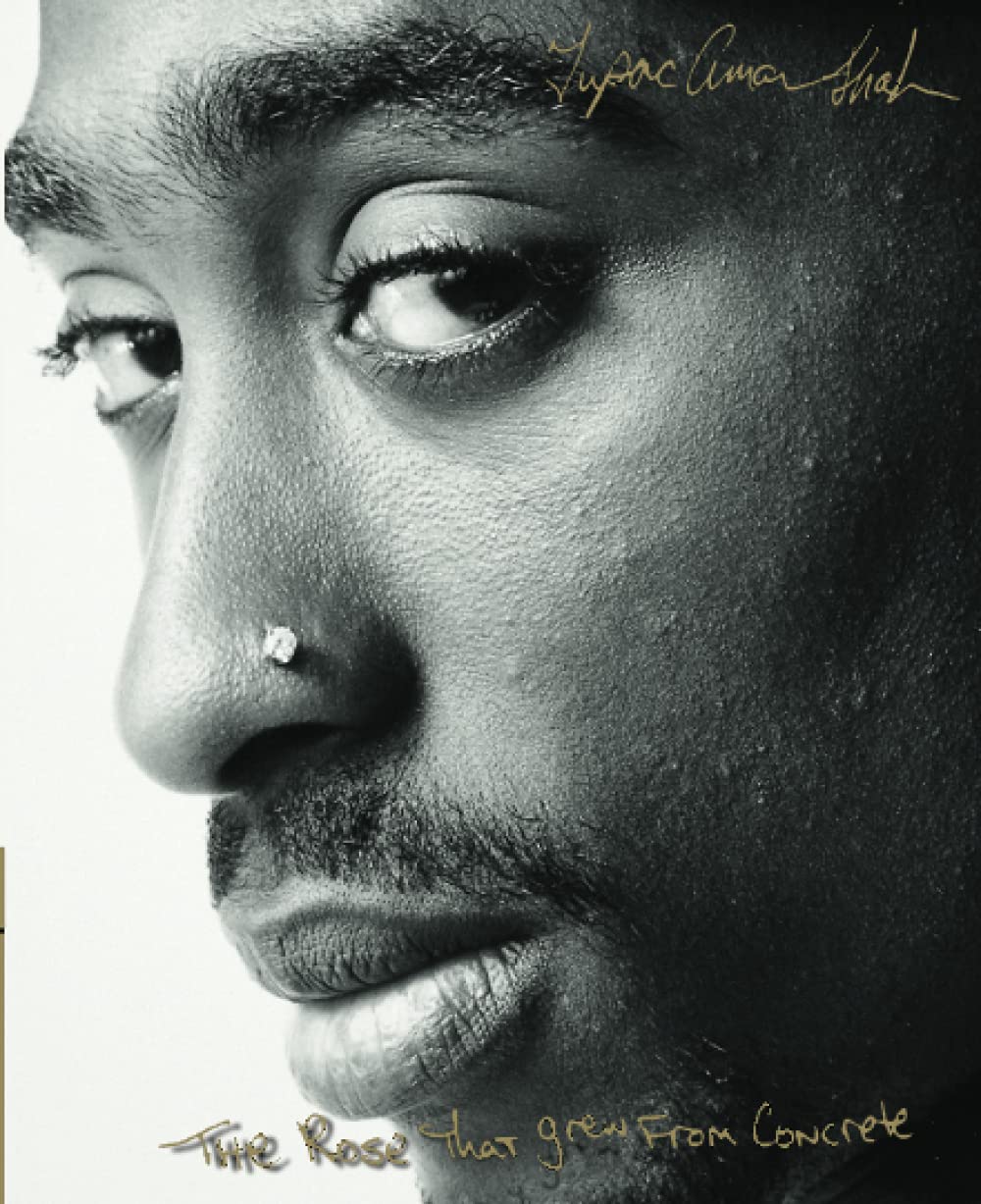
Tupac Amaru Shakur , mais conhecido pelos seus nomes artísticos 2Pac, Makaveli ou apenas Pac, foi um rapper estadunidense. Críticos e membros da indústria fonográfica nomearam-no como o maior rapper de todos os tempos. Em 2010, ele já havia vendido pelo menos 75 milhões de cópias pelo mundo. Além de ser músico, Tupac também foi ator e ativista social. A maioria das suas canções tratam-se sobre como crescer no meio da violência e da miséria nos guetos, o racismo, os problemas da sociedade e os conflitos com os outros rappers. O trabalho de Shakur é conhecido por defender a igualdade política, econômica, social e racial. Antes de entrar para a carreira artística, ele era um roadie e dançarino de hip hop alternativo. Começou a fazer sucesso quando entrou para o grupo Digital Underground.
Shakur tornou-se alvo de diversas ações judiciais e sofreu outros problemas legais. No início de sua carreira, ele foi atingido por cinco tiros e assaltado no corredor de um estúdio de gravação em Nova Iorque. Após o incidente, Tupac começou a suspeitar que outras figuras da indústria do rap ficaram sabendo do acontecido e não avisaram Shakur, o que desencadeou a rivalidade entre as costas Leste e Oeste. Mais tarde, Shakur acabou por ser condenado por abuso sexual e ficou preso durante onze meses, tendo sido libertado da prisão num recurso financiado por Suge Knight, diretor executivo da Death Row Records. Em troca da ajuda de Suge, Tupac teve de gravar três álbuns sob o selo Death Row.
Na noite de 7 de setembro de 1996, Tupac, dentro do carro de Suge, foi atingido por quatro tiros num tiroteio, na cidade de Las Vegas. Ele faleceu seis dias depois, vítima de insuficiência respiratória e parada cardíaca, na Universidade Médica de Nevada. Após a sua morte, o jornal americano The New York Times citou-o como "o maior rapper de todos os tempos" .
“Eles conseguem dinheiro para a guerra, mas não conseguem acabar com a pobreza.”
They got money for wars, but can't feed the poor/Say there ain't no hope for the youth and the truth is
na música "Keep Ya Head Up"
“Deixe Deus julgar os ladrões.”
Let the Lord judge the criminals
na música "I Wonder If Heaven Got A Ghetto"
Posthumous attributions, Tupac: Resurrection (2003)
Posthumous attributions, Tupac: Resurrection (2003)
“America is the biggest gang in the world.”
1990s, Prison interviews and interrogations (1995)
1990s, Malcolm X Grassroots Movement, Atlanta (1992)
1990s, Ed Gordon interview (1994)
“It's a constant man-ego-check going on in the streets, in this world.”
1990s, Ed Gordon interview (1994)
“Keep ya head up. Do what you gotta do. And then, inside of you, I will be reborn.”
Posthumous attributions, Tupac: Resurrection (2003)
“I have no patience for anybody that doubts me, none at all.”
1990s, Ed Gordon interview (1994)
And we have to find the new African in everybody... But before we can be African, we gotta be black first.
1990s, Malcolm X Grassroots Movement, Atlanta (1992)
“It's not just about you taking care of "your" child. It's about you taking care of these children.”
1990s, Malcolm X Grassroots Movement, Atlanta (1992)
1990s, Prison interviews and interrogations (1995)
“Accept no substitutes; I bring truth to the youth.”
"Holla If Ya Hear Me" http://www.azlyrics.com/lyrics/2pac/hollaifyahearme.html (1993). <br class="br">1990s
“Measure a man by his actions fully, through his whole life, from the beginning to the end.”
Posthumous attributions, Tupac: Resurrection (2003)
1990s, Ed Gordon interview (1994)
“The guns are turning away from Europe and Russia and Iran and Iraq and they're turning to us.”
1990s, Prison interviews and interrogations (1995)
“Killing ain't fair, but somebody's got to do it.”
1990s, "Hit 'Em Up" (1996)
1990s, Prison interviews and interrogations (1995)
“It's like a battle, trying to find the right words to say at the right time.”
1990s, Ed Gordon interview (1994)
Posthumous attributions, Tupac: Resurrection (2003)
1990s, MTV interview with Tabitha Soren (1995)
“What I want you to take seriously is what we have to do for the youth.”
1990s, Malcolm X Grassroots Movement, Atlanta (1992)
“You claim to be a player, but I fucked your wife.”
1990s, "Hit 'Em Up" (1996)
1990s, Details magazine interview (Spring 1996)
1990s, Prison interviews and interrogations (1995)
And all these other people, and now they're like sweet hearts. We all should get that chance, I just want my chance.
1990s, MTV interview with Tabitha Soren (1995)


