“Nós amamos a verdade, nós amamos a Deus, todos nós amamos os homens”
nous aimons la vérité, nous aimons Dieu, nous aimons tous les hommes
Raison et raisons: essais détachés - Página 120, Jacques Maritain - Egloff, 1948, 7a. ed. - 358 páginas
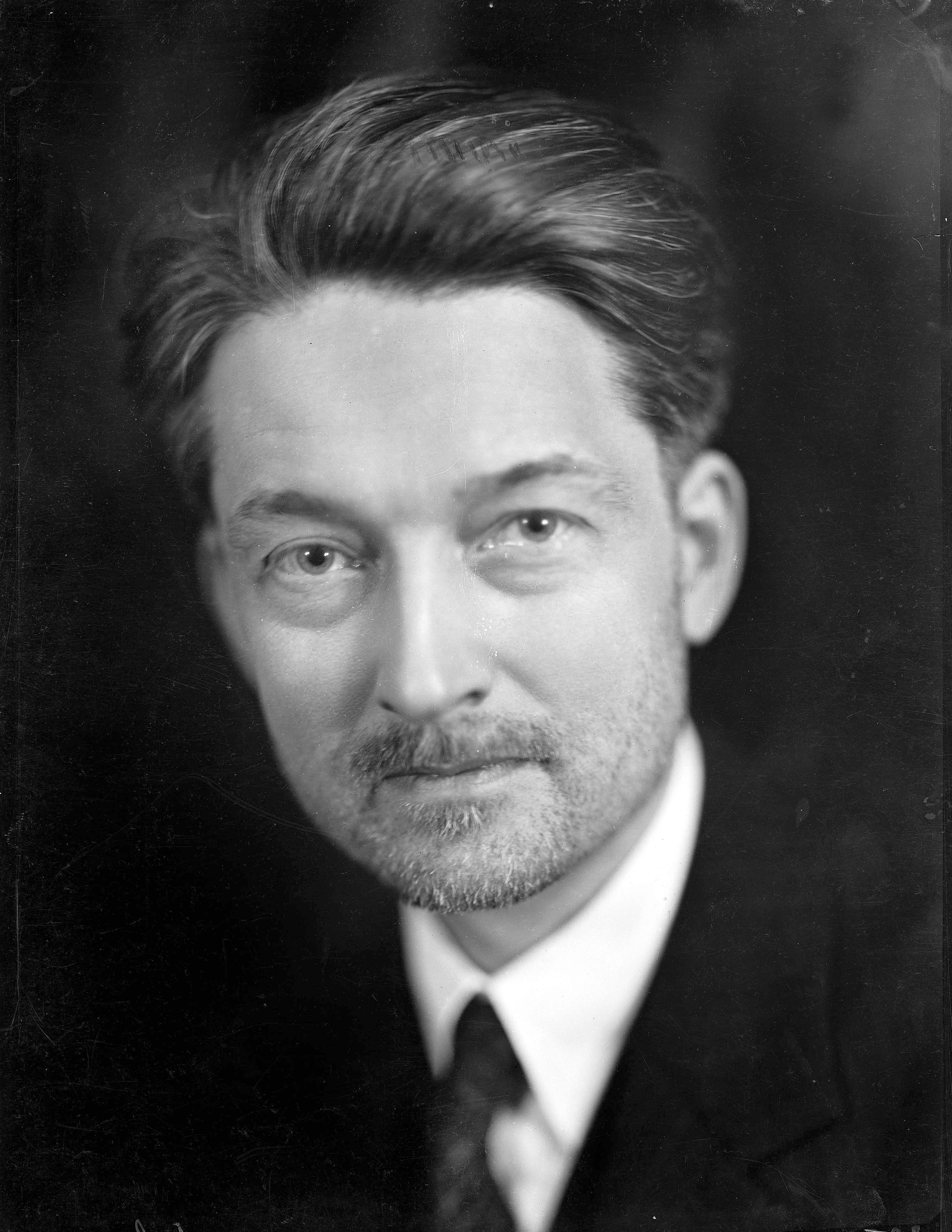
Jacques Maritain foi um filósofo francês de orientação católica . As obras deste filósofo influenciaram o conceito de Democracia cristã.
Escreveu mais de sessenta obras e é considerado por alguns como um dos pilares da renovação do pensamento tomista no século XX; por outros como inspirador ideológico das democracias cristãs na América Latina. Em 1970 pediu admissão na Fraternidade dos Pequenos Irmãos de Jesus em Toulouse. Foi enterrado com sua esposa Raissa em Kolbsheim. Wikipedia
“Nós amamos a verdade, nós amamos a Deus, todos nós amamos os homens”
nous aimons la vérité, nous aimons Dieu, nous aimons tous les hommes
Raison et raisons: essais détachés - Página 120, Jacques Maritain - Egloff, 1948, 7a. ed. - 358 páginas
Le religieux parfait prie si bien qu'il ignore qu'il prie. Le communisme est si profondément, si substantiellement une religion, — terrestre, — qu'il ignore qu'il est une religion.
Humanisme intégral: problèmes temporels et spirituels d'une nouvelle chrétienté - Página 48, de Jacques Maritain - Aubier, 1936 - 334 páginas
“What we need is not truths that serve us but a truth we may serve.”
Fonte: Degrees of Knowledge (1932, Notre Dame Translation), p. 4.
Fonte: Existence & the Existent
Scholasticism and Politics (1940)
The Rights of Man (1945). London: Geoffrey Bles, pp. 7–8.
“Things are opaque to us, and we are opaque to ourselves.”
Degrees of Knowledge (1932, Notre Dame Translation), p. 117.
Jacques Maritain livro The Range of Reason
The Range of Reason (1952), p. 113.
“The equality of rights of all citizens is the basic tenet of modern democratic societies.”
Man and the State (1951), p. 179.
“Nothing is more vain than to seek to unite men by a philosophic minimum.”
Integral Humanism, (1936, Notre Dame Edition), p. 262.
“To be free is of the essence of every intellectual being.”
Freedom in the Modern World, (1933, Notre Dame Edition), p. 6.
Jacques Maritain livro The Range of Reason
The Range of Reason (1952). New York: Charles Scribner's Sons, p. 106.
Integral Humanism, (1936, Notre Dame Edition), p. 154.
“It is impossible for a Christian to be a relativist.”
The Peasant of the Garonne (1968), p. 89.
Christianity and Democracy (1943), p. 49.
The Peasant of the Garonne (1968), p. 91.
Theonas: Conversations of a Sage (1921). Sheed & Ward, 1933, p. 77.
“The supernatural light of the spirit is the only night from which the spirit can emerge alive.”
Ransoming the Time (1941), p. 288.
“Action: the Perfection of Human Life,” Sewanee Review, LVI (Winter, 1948), pp. 3-4.
“In each of us there dwells a mystery, and that mystery is the human personality.”
The Rights of Man and Natural Law (1943), p. 2.
An Essay on Christian Philosophy (1955), p. 17.
Theonas: Conversations of a Sage (1921). Sheed & Ward, 1933, p. 9.
Jacques Maritain livro The Range of Reason
The Range of Reason (1952), p. 137.
The Twilight of Civilization (1939). London: Sheed & Ward, 1946, p. 41.