
“Great designers produce pleasurable experiences.”
Donald A. Norman livro The Design of Everyday Things
The Design of Everyday Things
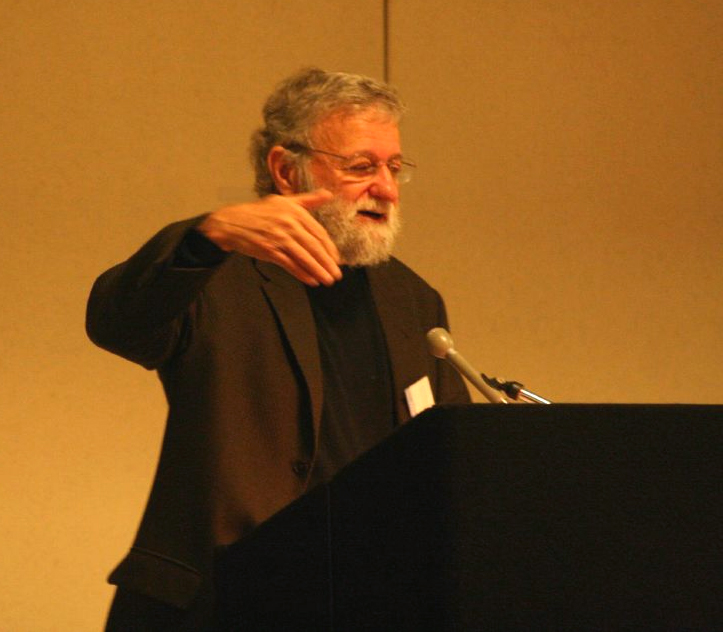
Donald A. Norman é professor emérito de ciência cognitiva na Universidade da Califórnia em San Diego e professor de ciência da computação na Universidade Northwestern, mas seus trabalhos de hoje são na maioria na engenharia de usabilidade. Também leciona na Universidade de Stanford e é um membro do corpo editorial da Enciclopédia Britannica.
Os primeiros livros de Norman lidam na sua maioria com usabilidade ou com psicologia cognitiva, mas Things That Make Us Smart também faz algumas observações de natureza crítica em relação à nossa sociedade, em particular Norman despreza a natureza sem conteúdo da televisão e as exposições ruins de museus
É um patrocinador do conceito de aparelho de informação, que abordou em seu livro The Invisible Computer.
Co-fundou o Nielsen Norman Group, um grupo de consultoria em assuntos de usabilidade que também inclui Jakob Nielsen e Bruce "Tog" Tognazzini. Norman atualmente divide seu tempo entre consultorias e como professor, ensinando e pesquisando em Northwestern e Stanford. Wikipedia
“Great designers produce pleasurable experiences.”
Donald A. Norman livro The Design of Everyday Things
The Design of Everyday Things
Donald A. Norman livro The Design of Everyday Things
Introduction to the 2002 Edition, p. xi.
The Design of Everyday Things (1988, 2002)
Donald A. Norman livro The Design of Everyday Things
Fonte: The Design of Everyday Things
Fonte: Emotional Design: Why We Love (or Hate) Everyday Things
Donald A. Norman livro The Design of Everyday Things
Fonte: The Design of Everyday Things
Donald A. Norman livro The Design of Everyday Things
Fonte: The Design of Everyday Things (1988, 2002), Ch. 6, p. 156.
Donald A. Norman livro The Design of Everyday Things
Introduction to the 2002 Edition, p. ix.
The Design of Everyday Things (1988, 2002)
Fonte: The Invisible Computer (1998), Ch. 10
Donald A. Norman livro The Design of Everyday Things
Fonte: The Design of Everyday Things (1988, 2002), Ch. 7, p. 216.
Fonte: The Invisible Computer (1998), Ch. 10
Donald A. Norman livro The Design of Everyday Things
Fonte: The Design of Everyday Things (1988, 2002), Ch. 5, pp. 114–115.
Donald A. Norman livro The Design of Everyday Things
Fonte: The Design of Everyday Things (1988, 2002), Ch. 6, p. 180.
Donald A. Norman livro The Design of Everyday Things
Fonte: The Design of Everyday Things (1988, 2002), Ch. 6, p. 185.
Donald A. Norman livro The Design of Everyday Things
Fonte: The Design of Everyday Things (1988, 2002), Ch. 6, p. 157.
“People Propose, Science Studies, Technology Conforms.”
Things That Make Us Smart (1993), Epilogue.
Donald A. Norman livro The Design of Everyday Things
Introduction to the 2002 Edition, p. xv.
The Design of Everyday Things (1988, 2002)
“Academics get paid for being clever, not for being right.”
27th annual conference of the Travel and Tourism Research Association, June 1996, Las Vegas, p. 143 http://books.google.com/books?id=FUkXAQAAMAAJ&q=%22academics+get+paid+for+being+clever%22.
Donald A. Norman livro The Design of Everyday Things
Fonte: The Design of Everyday Things (1988, 2002), Ch. 6, p. 173.
Donald A. Norman livro The Design of Everyday Things
Fonte: The Design of Everyday Things (1988, 2002), Ch. 5, p. 131.
Donald A. Norman livro The Design of Everyday Things
Fonte: The Design of Everyday Things (1988, 2002), Ch. 7, pp. 212—213.
Donald A. Norman livro The Design of Everyday Things
Fonte: The Design of Everyday Things (1988, 2002), Ch. 6, p. 152.
Donald A. Norman livro The Design of Everyday Things
Fonte: The Design of Everyday Things (1988, 2002), Ch. 1, p. 8.
Fonte: The Invisible Computer (1998), Ch. 10
Donald A. Norman livro The Design of Everyday Things
Fonte: The Design of Everyday Things (1988, 2002), Ch. 3, p. 78.
The correct answer is 37. <br class="br"> "The Don" Reveals All: Part 1 http://www.ok-cancel.com/archives/post/2004/10/the_don_reveals_all_part_1.html
Donald A. Norman livro The Design of Everyday Things
Fonte: The Design of Everyday Things (1988, 2002), Ch. 4, p. 87; regarding doors labeled "Push" and "Pull".
Donald A. Norman livro The Design of Everyday Things
Introduction to the 2002 Edition, p. x.
The Design of Everyday Things (1988, 2002)
Donald A. Norman livro The Design of Everyday Things
Fonte: The Design of Everyday Things (1988, 2002), Ch. 4, p. 100.