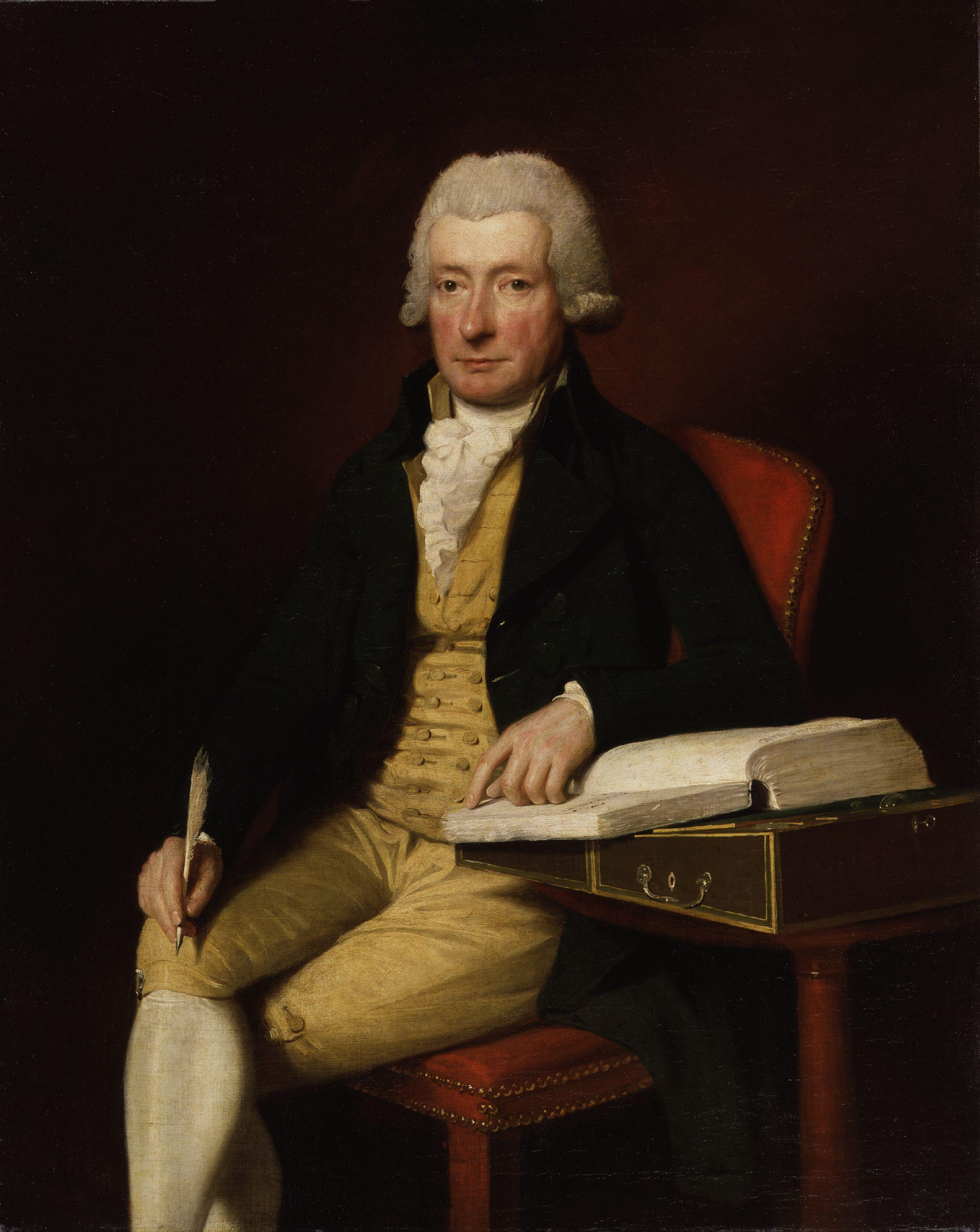
William Cowper Frases famosas
“A vida pouco nos deve; a ela devemos tudo.”
Life owes us little; we owe it everything.
citado em "Phillips' book of great thoughts, funny sayings: a stupendous collection of quotes, quips, epigrams, witticisms, and humorous comments : for personal enjoyment and ready reference" - Página 153, de Bob Phillips - Tyndale House, 1993, ISBN 0842350357, 9780842350358 - 343 páginas
Atribuídas
“Ter uma vida tranqüila é um objetivo díficil.”
A life of ease a difficult pursuit. <br class="br">"Retirement" in: The works of William Cowper: His life and letters - vol. 6, Página 210 http://books.google.com.br/books?id=FIQgAAAAMAAJ&pg=PA210, de William Cowper, William Hayley, John William Cunningham, Thomas Shuttleworth Grimshawe - Saunders & Otley, 1835
“A única felicidade vem quando nos gastamos por um propósito.”
The only true happiness comes from squandering ourselves for a purpose
citado em "Noble Purpose: The Joy of Living a Meaningful Life" - página 9, de William Damon - Templeton Foundation Press, 2003, ISBN 1599470489, 9781599470481
Atribuídas
William Cowper frases e citações
William Cowper: Frases em inglês
“O Popular Applause! what heart of man
Is proof against thy sweet seducing charms?”
William Cowper The Task
Fonte: The Task (1785), Book II, The Timepiece, Line 481.
No. 79, "Praise for the Fountain Opened".
Olney Hymns (1779)
“O Winter, ruler of the inverted year!”
William Cowper The Task
Fonte: The Task (1785), Book IV, The Winter Evening, Line 120.
"On the Loss of the Royal George", st. 1 (1791).
“Survivor sole, and hardly such, of all
that once lived here”
Fonte: The Yardley Oak (1791), Lines 1-2
William Cowper The Task
Fonte: The Task (1785), Book VI, Winter Walk at Noon, Line 560.
“Which not even critics criticise.”
William Cowper The Task
Fonte: The Task (1785), Book IV, The Winter Evening, Line 51.
“Tis hard if all is false that I advance,
A fool must now and then be right by chance.”
Fonte: Conversation (1782), Line 96.
“Made poetry a mere mechanic art.”
Fonte: Table Talk (1782), Line 654.
William Cowper The Task
Fonte: The Task (1785), Book IV, The Winter Evening, Line 217.
“Misery still delights to trace
Its semblance in another's case.”
William Cowper The Castaway
"The Castaway" (1799).
William Cowper The Task
Fonte: The Task (1785), Book VI, Winter Walk at Noon, Line 439.
Fonte: Verses supposed to be written by Alexander Selkirk (1782), Line 5.
“As dreadful as the Manichean god,
Adored through fear, strong only to destroy.”
William Cowper The Task
Fonte: The Task (1785), Book V, The Winter Morning Walk, Line 444.
“In indolent vacuity of thought.”
William Cowper The Task
Fonte: The Task (1785), Book IV, The Winter Evening, Line 297.
No. 35, "Light Shining out of Darkness".
Olney Hymns (1779)
William Cowper The Task
Fonte: The Task (1785), Book III, The Garden, Line 188.
“A moral, sensible, and well-bred man
Will not affront me, and no other can.”
Fonte: Conversation (1782), Line 193.
“Beware of desp'rate steps! The darkest day
(Live till tomorrow) will have passed away.”
"The Needless Alarm, Moral" (1794).
William Cowper The Task
Fonte: The Task (1785), Book IV, The Winter Evening, Line 478.
“Is base in kind, and born to be a slave.”
Fonte: Table Talk (1782), Line 28.
“There is a pleasure in poetic pains
Which only poets know.”
William Cowper The Task
Fonte: The Task (1785), Book II, The Timepiece, Line 285.
“The son of parents pass'd into the skies.”
On the Receipt of my Mother's Picture.
Bartlett's Familiar Quotations, 10th ed. (1919)
“While fancy, like the finger of a clock,
Runs the great circuit, and is still at home.”
William Cowper The Task
Fonte: The Task (1785), Book IV, The Winter Evening, Line 118.
“Those golden times
And those Arcadian scenes that Maro sings,
And Sidney, warbler of poetic prose.”
William Cowper The Task
Fonte: The Task (1785), Book IV, The Winter Evening, Line 514.
St. 63.
The Diverting History of John Gilpin (1785)
“He is the freeman whom the truth makes free.”
William Cowper The Task
Fonte: The Task (1785), Book V, The Winter Morning Walk, Line 733.
Fonte: The Negro's Complaint (1788), Lines 1-8