“Despair the twin-born of devotion.”
Algernon Charles Swinburne livro Poems and Ballads
"Dolores (Notre-Dame des Sept Douleurs)", line 107.
Poems and Ballads (1866-89)
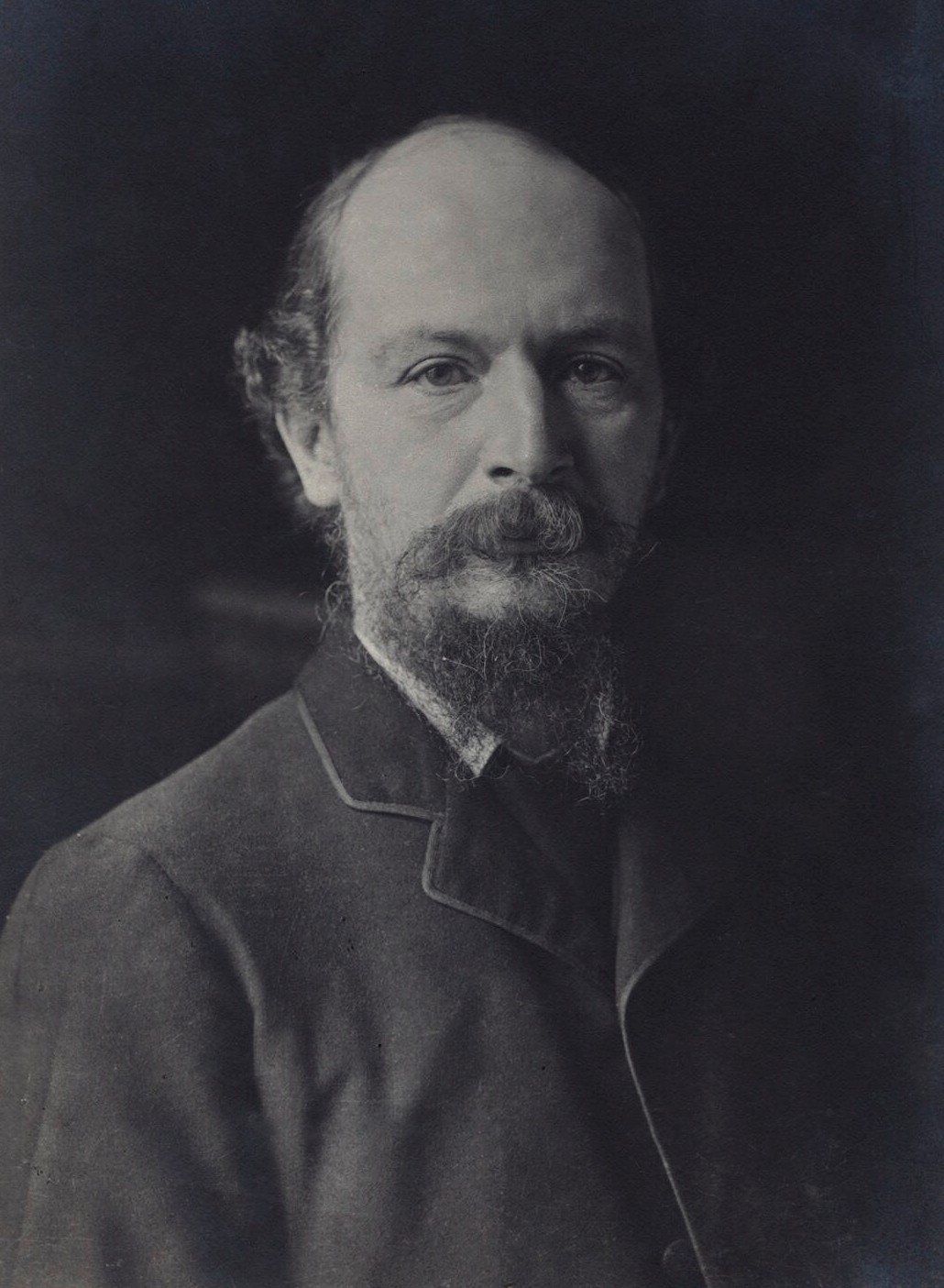
Algernon Charles Swinburne foi um poeta, dramaturgo, romancista e crítico inglês da época vitoriana, conhecido pela controvérsia gerada no seu tempo pelos seus temas sadomasoquistas, lésbicos, fúnebres e anti-religiosos. Algernon foi indicado para o Prêmio Nobel de Literatura por vários anos do início do século XX.
Escreveu vários romances, entre eles o livro "Flossie, a Vênus de Quinze Anos" de 1897, e contribuiu para a famosa décima primeira edição da Encyclopædia Britannica. Wikipedia
“Despair the twin-born of devotion.”
Algernon Charles Swinburne livro Poems and Ballads
"Dolores (Notre-Dame des Sept Douleurs)", line 107.
Poems and Ballads (1866-89)
“A blatant Bassarid of Boston, a rampant Maenad of Massachusetts.”
Referring to Harriet Beecher Stowe
Under the Microscope (1872)
“Forget that I remember
And dream that I forget.”
Algernon Charles Swinburne livro Poems and Ballads
"Rococo", lines 15-16.
Poems and Ballads (1866-89)
“His speech is a burning fire.”
Second chorus, line 51.
Atalanta in Calydon (1865)
Alboine, Act 1, Scene 1.
Rosamund, Queen of the Lombards (1899)
“Life is the lust of a lamp for the light that is dark till the dawn of the day that we die.”
"Nephelidia", line 16, from The Heptalogia (1880); Swinburne intended "Nephelidia" as a self-parody.
Under the Microscope (1872)
Algernon Charles Swinburne livro Poems and Ballads
"Rococo", lines 17-24.
Poems and Ballads (1866-89)
Faliero, Act V. Sc. 3.
Marino Faliero (1885)
“Fear that makes faith may break faith; and a fool Is but in folly stable.”
Queen Mary Stuart as portrayed in Bothwell. Act I. Sc. 3.
Bothwell : A Tragedy (1874)
“Wilt thou fear that, and fear not my desire?”
Algernon Charles Swinburne livro Poems and Ballads
"Anactoria", line 8.
Poems and Ballads (1866-89)
“From too much love of living”
«Сад Прозерпины» (The Garden of Proserpine), 1866
“Though one were strong as seven”
«Сад Прозерпины» (The Garden of Proserpine), 1866